The Best Tongits Apps: The Classic Filipino Card Game

Remember those lazy Sunday afternoons gathered around a table with family, cards in hand, everyone trash-talking and laughing over a heated game of Tongits? That's the magic of this classic Filipino card game, it brings people together. But here's the thing: in 2024, you don't need to wait for family reunions or weekend gatherings to enjoy that experience. The best Tongits apps have brought this beloved game right to your smartphone, and honestly? They're pretty amazing.
Whether you're a seasoned player who grew up playing Tongits at every fiesta, or you're completely new and just curious about what all the fuss is about, digital Tongits offers something special. You can play against friends across the ocean, match up with strangers who share your passion for the game, or practice against AI opponents until you've perfected your strategy, all without shuffling a single physical card.
But here's where it gets tricky: not all Tongits apps are created equal. Some have clunky interfaces that ruin the experience. Others have unfair monetization that makes you feel like you're being nickel-and-dimed. And then there are the gems, the apps that capture the spirit of the game while adding digital conveniences that actually enhance the experience.
This guide cuts through the noise. We're reviewing the top Tongits apps available in 2024, breaking down their features, sharing expert strategies that work in digital play, and giving you everything you need to dominate whether you're playing Tongits Go, ZingPlay, or any other platform.
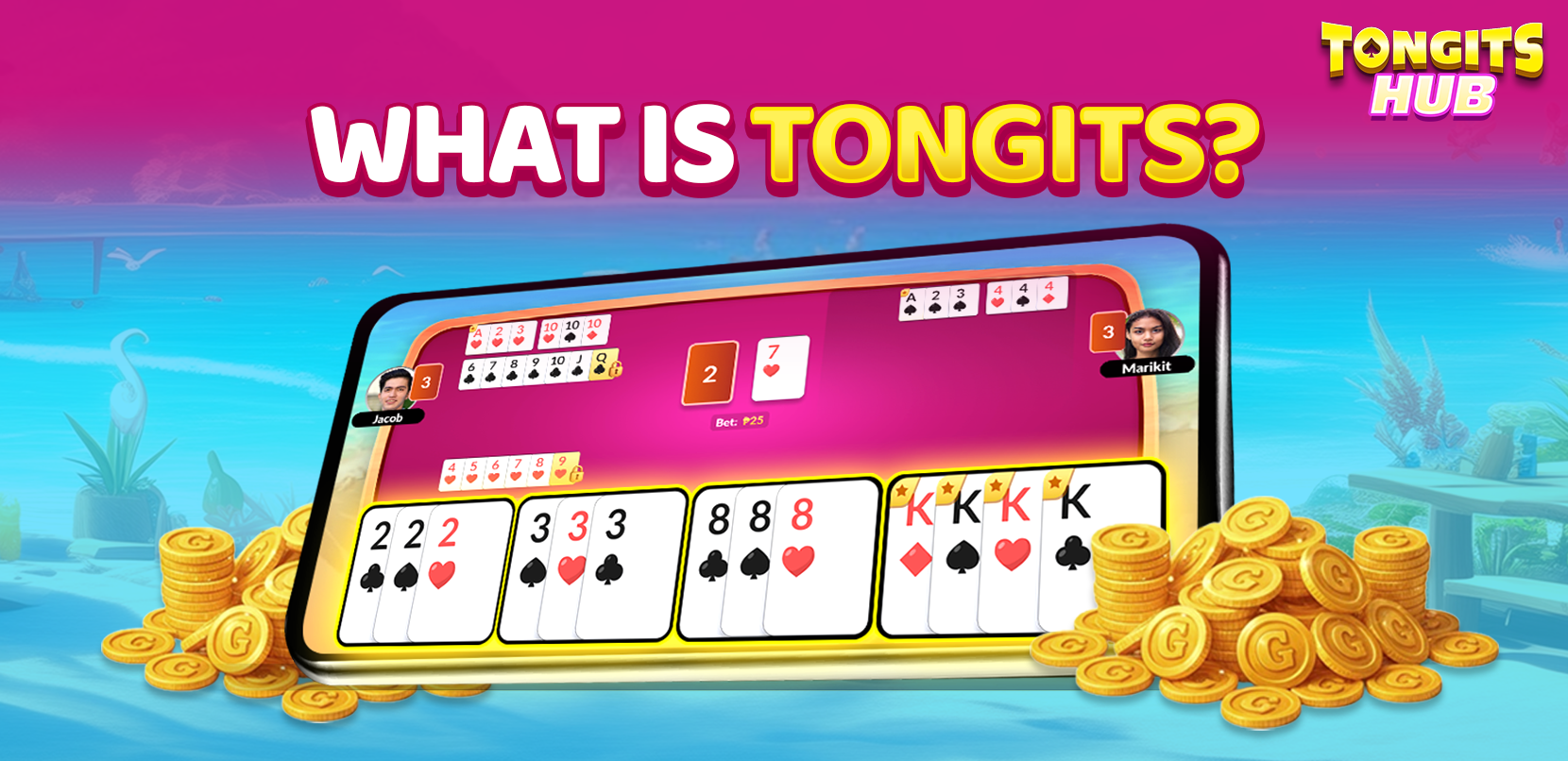
What is Tongits? Understanding the Classic Filipino Card Game
Before we dive into app reviews, let's make sure everyone's on the same page about what Tongits actually is, especially if you're new to this addictive card game.
Historical and Cultural Roots of Tongits
Tongits isn't just a game in the Philippines, it's practically a cultural institution. Walk through any barangay, and you'll likely spot groups huddled around makeshift tables, cards flying, voices rising in playful competition. It's played at family gatherings, during town fiestas, in sari-sari stores, and basically anywhere Filipinos come together to socialize.
The game's exact origins are a bit murky (as with many traditional games), but it's clearly a Filipino adaptation of rummy-style games, with unique mechanics that make it distinctly local. What sets Tongits apart is how it perfectly captures Filipino values, the importance of diskarte (resourcefulness and clever strategy), the social bonding that happens during play, and the good-natured competitiveness that defines so many Filipino gatherings.
For overseas Filipino communities, Tongits has become even more meaningful. It's a connection to home, a way to pass traditions to the next generation, and a reason to gather. This cultural significance is exactly why the best Tongits apps have become so popular, they let people maintain these connections even when separated by distance.
Basic Gameplay and Terms Explained
Alright, let's break down how Tongits actually works. If you're already familiar, feel free to skip ahead, but for newcomers, this is essential foundation.
The Basics:
- Players: Typically 3 (the standard and most balanced setup)
- Deck: Standard 52-card deck, no jokers
- Objective: Be the first to empty your hand completely (called going "Tongit"), or have the lowest hand value when someone calls "Draw"
Card Values:
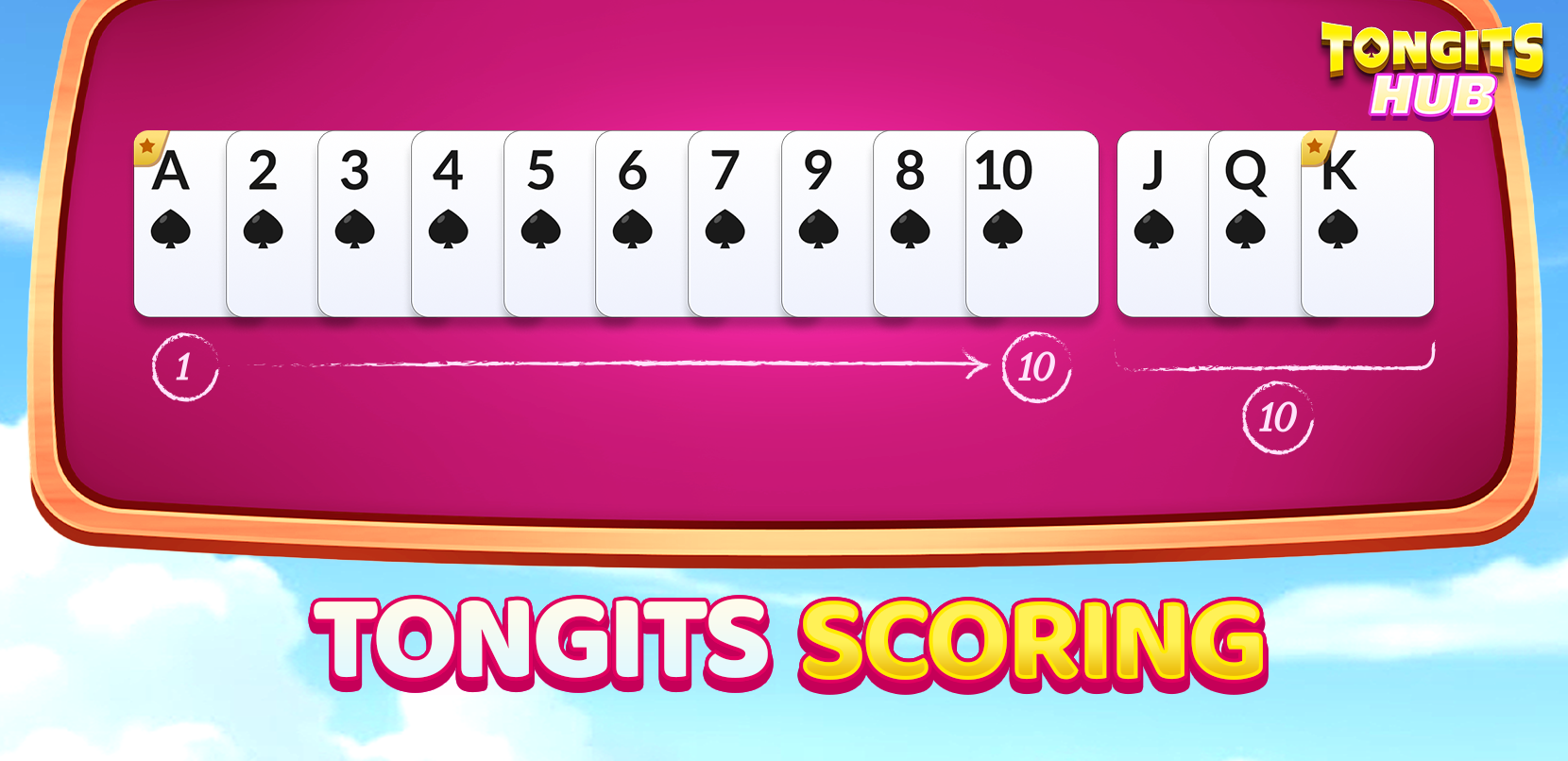
- Aces = 1 point
- Number cards (2-10) = face value
- Face cards (Jack, Queen, King) = 10 points each
Setup: Each player receives 12 cards, except the dealer who gets 13. The dealer makes the first move, and play continues clockwise.
Key Terms You Need to Know:
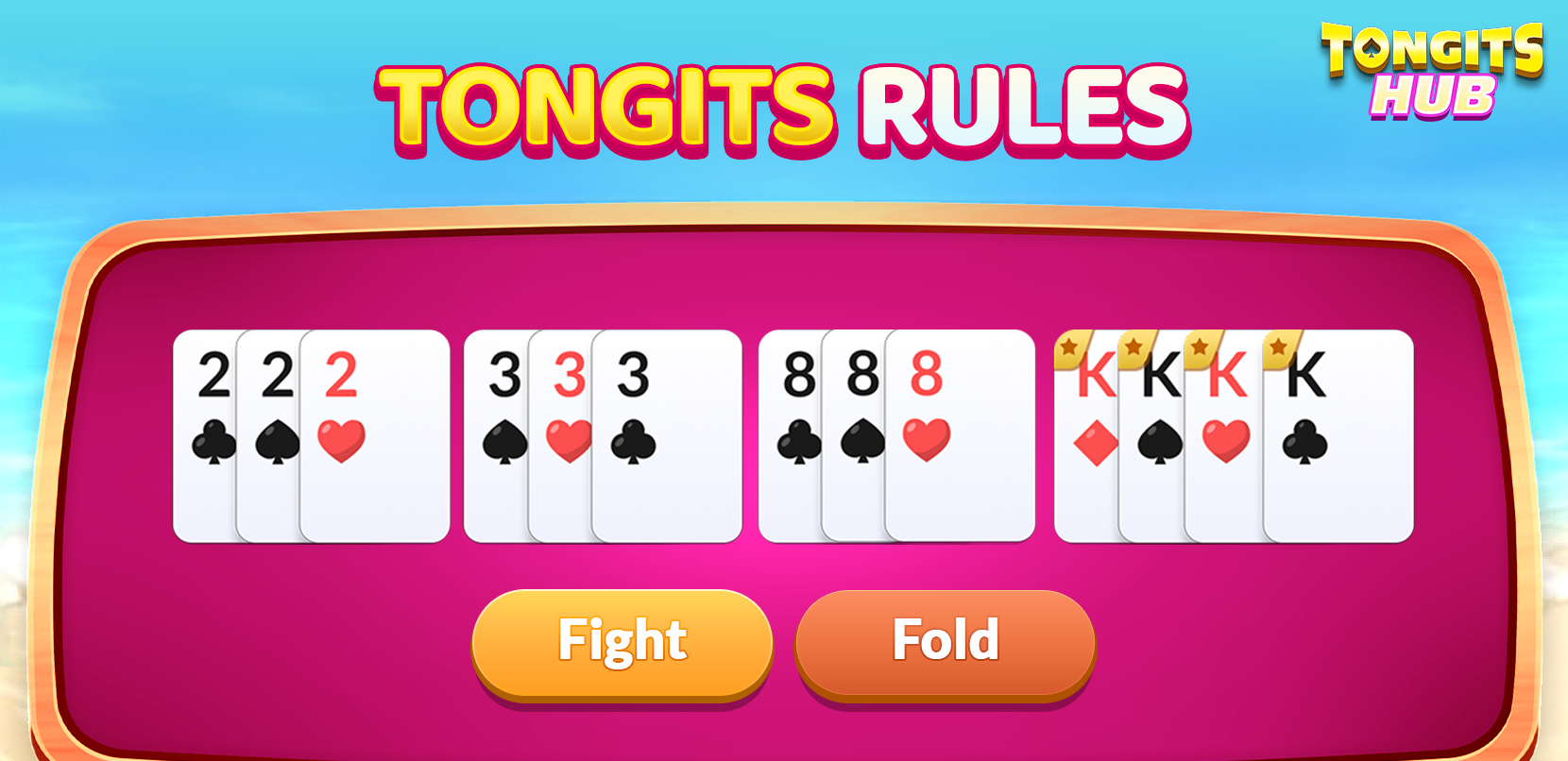
- Meld: A valid combination of cards, either a set (three or four cards of the same rank, like three 8s) or a run (three or more consecutive cards of the same suit, like 5-6-7 of hearts)
- Sapaw: The game-changing move where you add cards to existing melds on the table (yours or opponents'). This is crucial strategy!
- Tongit: Declaring victory by emptying all your cards from your hand, the ultimate win with the highest payout
- Draw: Calling the hand because you believe you have the lowest total point value, risky but potentially profitable
- Burn/Sunog: The penalty you suffer if you call "Draw" but don't actually have the lowest hand, you pay everyone!
- Bahay: Your "home" or the melds you've laid down on the table
How a Turn Works:
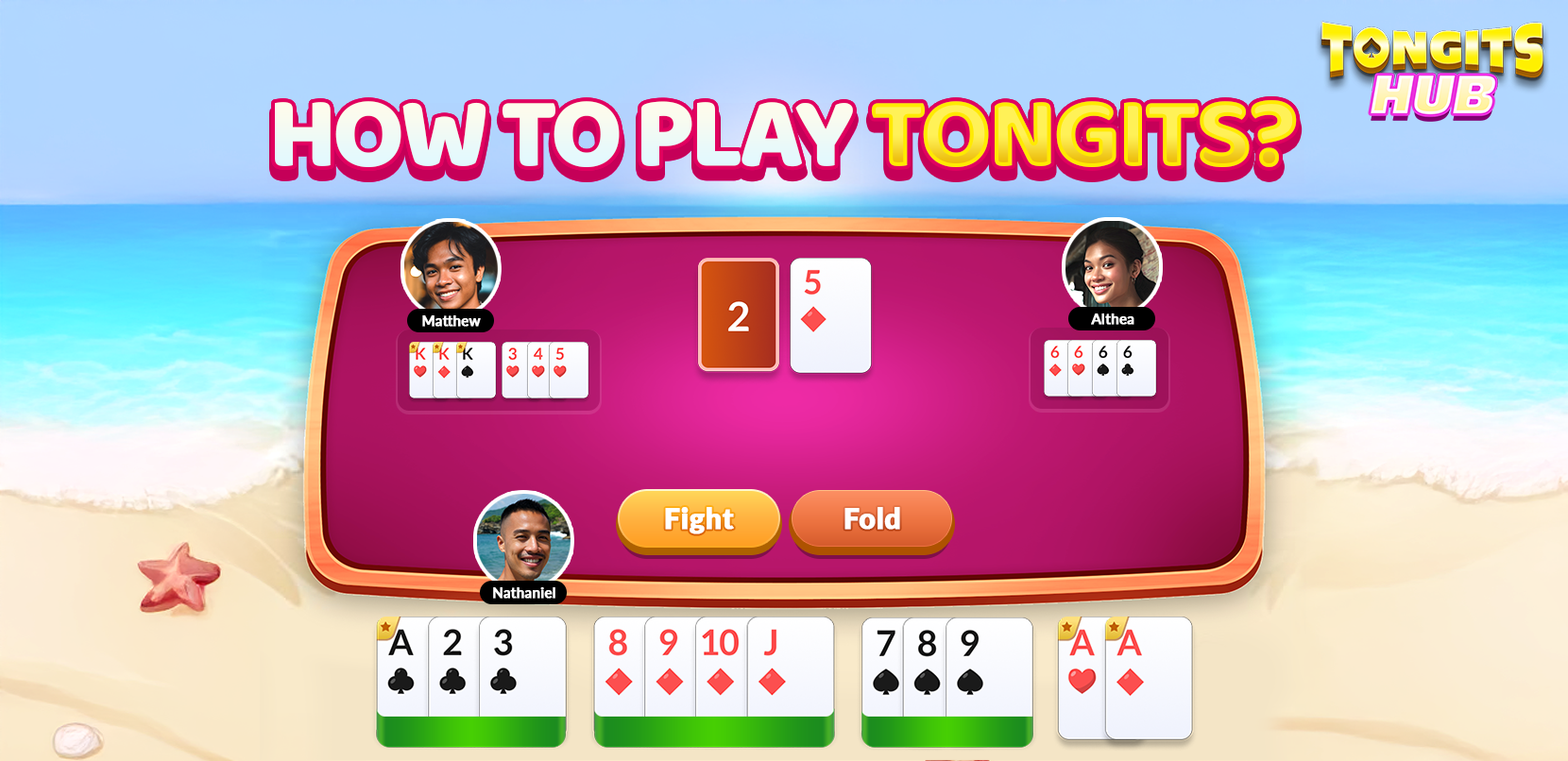
- Draw a card (from the deck or discard pile)
- Optionally lay down melds or sapaw on existing melds
- Discard one card
- Next player's turn
Winning Conditions:
- Tongit: You've emptied your entire hand (automatic win, highest payout)
- Draw: You call it, and you have the lowest hand value (you win based on point differences)
- Fight: Someone else calls Draw and has lower points than you (you lose and pay based on differences)
The genius of Tongits is that it's simple enough to learn in minutes but deep enough to master over years. The combination of meld management, sapaw timing, and knowing when to call creates fascinating strategic depth.
Why Play Tongits on Mobile? Advantages of the Best Tongits Apps
So why should you consider digital Tongits instead of just sticking to physical cards? Let me break down the real advantages, because there are more than you might think.
Convenience That Changes Everything
This is the obvious one, but it's genuinely transformative. With the best Tongits apps, you can:
- Play a quick game during your lunch break
- Challenge friends who live in different countries
- Practice at 2 AM when everyone else is asleep
- Enjoy a game without needing to gather people physically
For overseas Filipinos especially, this is huge. You can maintain connections with friends back home, teach your kids the game even though you're thousands of miles away, and keep traditions alive across distances.
Matchmaking That Actually Works
Physical Tongits requires exactly three people (ideally). If someone has to leave, the game ends. Digital Tongits solves this beautifully, matchmaking systems connect you with opponents instantly, any time of day or night.
The best Tongits apps have thousands of active players, meaning you're never waiting long for a game. Some apps even let you specify preferences, play with friends only, match with players at your skill level, or jump into random games for variety.
Digital Tools That Enhance Gameplay
Here's where apps really shine with features that physical cards can't provide:
- Automatic meld detection: The app highlights valid melds you can make, preventing missed opportunities
- Clear scoring: No arguments about hand values, the app calculates everything instantly
- Timer functions: Keeps games moving, prevents players from stalling
- Tutorial modes: Learn the rules interactively before risking real chips
- Statistics tracking: See your win rate, average hand value, and improvement over time
These aren't crutches, they're quality-of-life improvements that let you focus on strategy rather than arithmetic and rule-checking.
Safe and Fair Play Environment
Good Tongits apps have systems to prevent cheating and ensure fair play:
- Randomized card dealing (proper RNG systems)
- Anti-collusion measures (preventing two players from working together)
- Reporting systems for bad behavior
- Secure betting and chip management
You don't have to worry about marked cards, coordinated cheating, or disputes over unclear rules. Everything is enforced automatically and fairly.
Offline Practice Modes
Many of the best Tongits apps offer offline modes where you can practice against AI opponents. This is perfect for:
- Learning the game without pressure
- Testing new strategies in a risk-free environment
- Playing when you don't have internet connection
- Warming up before competitive games
The AI in better apps is actually quite good, challenging enough to help you improve without being impossibly difficult.
Top 5 Best Tongits Apps in 2024 - Features, Pros, and Cons
Alright, let's get to what you're really here for, which apps are actually worth downloading. I've tested all the major options, and here's my honest breakdown.
Tongits ZingPlay
The Overview: ZingPlay is probably the most popular Tongits platform, with millions of active players. It's developed by VNG Corporation, a major Vietnamese gaming company with a strong presence in Southeast Asian markets.
Key Features:
- Massive player base: You'll find matches instantly at any time of day
- Comprehensive social features: Chat, friend lists, clubs, and even voice chat in some modes
- Tournament system: Regular competitions with significant chip prizes
- Multiple game modes: Classic Tongits, Quick Tongits (faster-paced), and special event modes
- Reward systems: Daily bonuses, achievement rewards, VIP programs
Pros:
- ✅ Largest player community = instant matchmaking
- ✅ Regular updates and new features
- ✅ Strong anti-cheat systems
- ✅ Good tutorial for beginners
- ✅ Works well on both low-end and high-end devices
Cons:
- ❌ Can be overwhelming for new players with so many features
- ❌ Ads in the free version can be intrusive
- ❌ Some players report that higher-stakes tables attract very aggressive play
- ❌ VIP benefits create noticeable advantages
Best For: Players who want the most active community and don't mind a slightly complex interface. If you're serious about competitive Tongits, ZingPlay's tournament scene is where it's at.
App Store Ratings: 4.3/5 on Google Play (500K+ reviews), 4.5/5 on iOS App Store
Tongits Go
The Overview: Tongits Go focuses on delivering a streamlined, user-friendly experience. It's particularly popular among players who want something less overwhelming than ZingPlay but still feature-rich.
Key Features:
- Offline and online modes: Practice against AI or compete against real players
- Adjustable AI difficulty: Choose easy, medium, or hard computer opponents
- Clean visual design: Less cluttered interface, focus on the game itself
- Customization options: Different table themes, card backs, avatars
- Fair play emphasis: Strong commitment to preventing cheating
Pros:
- ✅ Beautiful, polished interface
- ✅ Excellent offline mode for practice
- ✅ Adjustable AI difficulty (rare in Tongits apps!)
- ✅ Less overwhelming for beginners
- ✅ Regular special events and promotions
Cons:
- ❌ Smaller player base than ZingPlay (slightly longer wait times)
- ❌ Fewer social features (less emphasis on clubs/communities)
- ❌ Limited tournament options compared to competitors
- ❌ Some advanced players find it too "casual"
Best For: Players who want a beautiful, approachable Tongits experience without the complexity of larger platforms. Perfect for practice and casual play.
App Store Ratings: 4.4/5 on Google Play (100K+ reviews), 4.6/5 on iOS App Store
Other Notable Tongits Apps
Tongits Offline by Agsolutions A solid choice if you specifically want offline play without internet dependency. The AI is decent, and it's completely free with minimal ads. Great for learning the game or playing during flights/commutes without data.
Pros: Truly offline, free, lightweight Cons: Basic graphics, no online multiplayer, limited features
Tongits Wars A more competitive-focused app with an emphasis on ranking systems and tournaments. The interface is functional but not as polished as Tongits Go or ZingPlay.
Pros: Strong competitive scene, good matchmaking, frequent tournaments Cons: Steeper learning curve, smaller player base, aggressive monetization
Tongits Plus A newer entry trying to compete with the big players. Offers some unique mini-games alongside standard Tongits.
Pros: Fresh approach, innovative features, generous free chips Cons: Still buggy, small community, uncertain long-term support
Quick Comparison Table:
| App | Player Base | Best Feature | Best For | Price |
|---|---|---|---|---|
| ZingPlay | Largest | Tournament system | Competitive players | Free + IAP |
| Tongits Go | Large | Beautiful UI + offline | Casual & practice | Free + IAP |
| Tongits Offline | N/A (offline) | Pure offline play | Solo practice | Free |
| Tongits Wars | Medium | Ranking system | Competitive players | Free + IAP |
| Tongits Plus | Small | Unique features | Experimental players | Free + IAP |
My Recommendation: Start with Tongits Go if you're new, it's the most beginner-friendly while still offering depth. Once you're comfortable, try ZingPlay for the competitive scene and larger community. Keep Tongits Offline on your phone for internet-free practice sessions.
Expert Tips to Win at Tongits - Strategies for Digital and Physical Play
Now let's talk strategy. These tips work whether you're playing on the best Tongits apps or around a physical table.
Mastering "Sapaw" (Laying Off Cards) for Tactical Advantage
Sapaw is the move that separates beginners from advanced players. It's not just about getting rid of cards, it's about timing and psychology.
When to Sapaw Aggressively:
- When you're close to going Tongit (every card counts)
- When you need to reduce hand value quickly before someone calls Draw
- When sapaw-ing blocks your opponent's ability to lay down additional melds
When to Hold Back on Sapaw:
- When your hand value is already low and you're not rushing to finish
- When holding the card gives you more flexibility for future turns
- When you're trying to bluff about your hand strength
The Strategic Sapaw: Here's an advanced tactic, sapaw on an opponent's meld to prevent them from easily calling Draw. If they've laid down melds, their hand value is already reduced. By adding to their melds, you're improving your own position.
Digital Advantage: The best Tongits apps automatically highlight sapaw opportunities, but don't always take the app's suggestion. Think strategically about whether that particular sapaw serves your overall game plan.
Calling "Tongit" vs. Calling "Draw" - When and How
This is the million-peso question, when do you go for the glory of Tongit, and when do you play it safe with Draw?
Go for Tongit when:
- You're within 2-3 cards of emptying your hand
- You have clear meld opportunities coming up
- The risk is worth the reward (Tongit pays double)
- Opponents seem to be struggling (lots of high cards visible)
Call Draw when:
- Your hand value is 10 or below
- You've tracked opponents' discards and believe they're holding higher values
- The deck is running low (forcing the issue before someone else does)
- You're confident but not certain enough to risk going for Tongit
The Burn Risk: Remember, if you call Draw but don't have the lowest hand, you get burned and pay everyone. This is expensive! Only call Draw when you're genuinely confident.
Digital Consideration: In online Tongits, you can't read physical tells, so rely more on patterns, players who lay down melds early probably have lower hand values; players holding cards likely have high-value cards they can't meld yet.
Avoiding "Burn" (Sunog): Why Exposing Melds Early Can Save You
Getting burned is one of the most painful experiences in Tongits, you call Draw thinking you're winning, only to discover you're not, and now you're paying everyone.
The Anti-Burn Strategy:
Lay down melds early: This is counterintuitive for new players, but exposing melds quickly accomplishes several things:
- Reduces your hand value immediately (less burn risk)
- Gives you sapaw options on subsequent turns
- Provides information to help you decide whether to call Draw later
Track everything: Keep mental notes of:
- What each opponent has laid down
- What's been discarded
- Approximate remaining hand values
The conservative rule: Only call Draw if your hand value is at least 5 points lower than what you estimate opponents have. This buffer accounts for uncertainty and prevents costly burns.
Optimal Card Drawing and Discarding for Defense
Every card you draw and discard sends signals. Smart players read these signals; smarter players control what signals they send.
Drawing Strategy:
- From the deck: Your default option. Gives no information to opponents
- From the discard pile: Only do this when you can immediately use the card in a meld or sapaw
Discarding Strategy:
- Discard high cards early: If you're holding face cards or 10s that don't fit into obvious melds, get rid of them
- Don't help opponents: If you see someone has laid down 8-9 of spades, don't discard 7 or 10 of spades
- Mix up your patterns: Occasionally discard mid-value cards to stay unpredictable
- The sacrifice discard: Sometimes it's worth discarding a card you need if keeping it creates too much risk
Understanding Variations and House Rules in Tongits
Here's something that trips up new players constantly: Tongits rules aren't completely standardized. Different regions, families, and even different Tongits apps have slight variations.
Common Rule Variations:
- Sapaw restrictions: Some versions only allow sapaw on your own melds, others allow it on any meld
- Draw calling requirements: Some require at least one meld laid down before calling Draw
- Burn penalties: The amount you pay when burned varies
- Starting cards: While standard is 12/13 cards, some variations use different distributions
- Deck depletion: What happens when the deck runs out varies
Best Tongits Apps Approach: Most popular apps like ZingPlay and Tongits Go use standardized rules that represent the most common version played in the Philippines. Always check the specific rules in the app's settings before playing seriously.
The Digital Tongits Gameplay Experience
Playing Tongits on mobile apps is similar to physical play but with some key differences that affect strategy. The faster pace, automated features, and anonymous opponents create a unique dynamic that rewards quick thinking and pattern recognition over deep psychological reads.
Tongits Compared: How Does It Stack Against Other Filipino Card Games?
If you're exploring Filipino card games, you might be wondering how Tongits compares to other popular options.
Tongits vs. Pusoy Dos (Filipino Poker):
Pusoy Dos is a climbing game where you're trying to get rid of cards by playing higher combinations than opponents.
- Complexity: Pusoy Dos is more complex with many combination types
- Players: Pusoy Dos works well with 2-4 players; Tongits is best with 3
- Skill vs. Luck: Both involve significant skill, but Tongits has more luck due to draw mechanics
- Social aspect: Both are highly social, but Pusoy Dos games tend to run longer
Best for: If you like trick-taking games and poker-style strategy, try Pusoy Dos. If you prefer rummy-style meld building, Tongits is your game.
What Makes Tongits Special:
- Quick gameplay: Hands typically last 5-15 minutes, perfect for mobile gaming
- Perfect information gaps: You know some cards but not others, creating interesting decisions
- Social dynamics: The three-player setup creates shifting alliances
- Accessibility: Easy to learn basics, but deep strategy keeps experts engaged
Why Tongits Apps Are So Popular:
The game translates perfectly to mobile format, it's quick enough for short sessions but engaging enough for extended play. The three-player setup means matchmaking is easier than games requiring four players. And the blend of luck and skill keeps things exciting regardless of experience level.
Ready to Start Playing?
Now it's your turn to experience the best Tongits apps for yourself. Here's your action plan:
Step 1: Download Tongits Go and complete the tutorial (takes about 10 minutes)
Step 2: Play 5-10 offline games against AI to get comfortable with the interface and practice basic strategy
Step 3: Try online matchmaking at lower-stakes tables to experience real competitive play
Step 4: Once comfortable, download ZingPlay and explore the larger community and tournament options
Step 5: Implement the strategies from this guide, focus on sapaw timing, smart Draw calling, and defensive card management
The best Tongits apps are waiting for you. Download one today and rediscover why this classic Filipino game has captured hearts for generations, now in the palm of your hand! 🃏