What Is Tongits? A Filipino Card Game’s History & How To Play
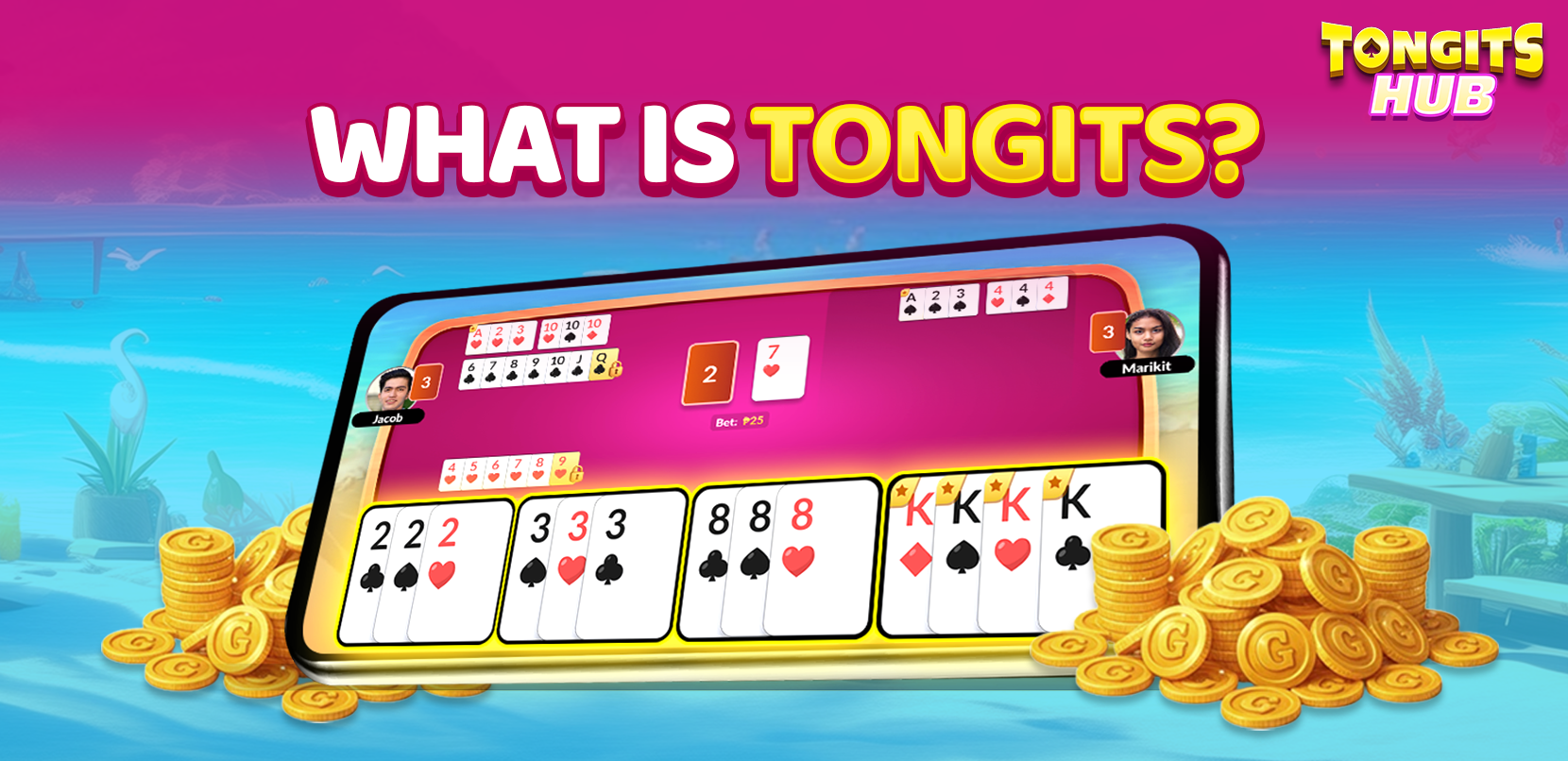
No Filipino party, family gathering or a simple Sunday get-together is complete without playing a few rounds of Tongits. The shuffling of cards, the sounds of laughter, and the thrill of Tongits, make it an all-time favorite card game in the Philippines. People love it because the game is a perfect combination of strategy, fun and skill.
The game is fairly simple to play. However, beginners to the game need to understand these rules. Every new player starts with one question - What is Tongits?
Most people will go to the internet and search for “tongits how to play?” to help them understand the rules of the game. They will also ask their friends or family members who are already pros at the game and practice with them.
With the sole objective of simplifying Tongits for beginners, we have created this comprehensive, self-paced guide that goes deeper into explaining the ultimate question of “What is Tongits?”.
A brief history of tongits
Before we delve into What is Tongits, let’s quickly take a turn toward the history of tongits.
Nobody can comment on the exact origin story of the modern-day Tongits, but it is widely observed as an evolution of American Pusoy Dos or Big Two as well as Chinese Poker. There are some clear hints of rummy as well in its rulebook.
Tongits rose to its current prominence in the Philippines during the late 20th century. Tongits became the most loved card game because of the skill factor involved in the game, which the Filipinos love so much. Playing tongits with friends and family has become a part of the culture in the Philippines.
Tongits - How to play & the main objective of the game
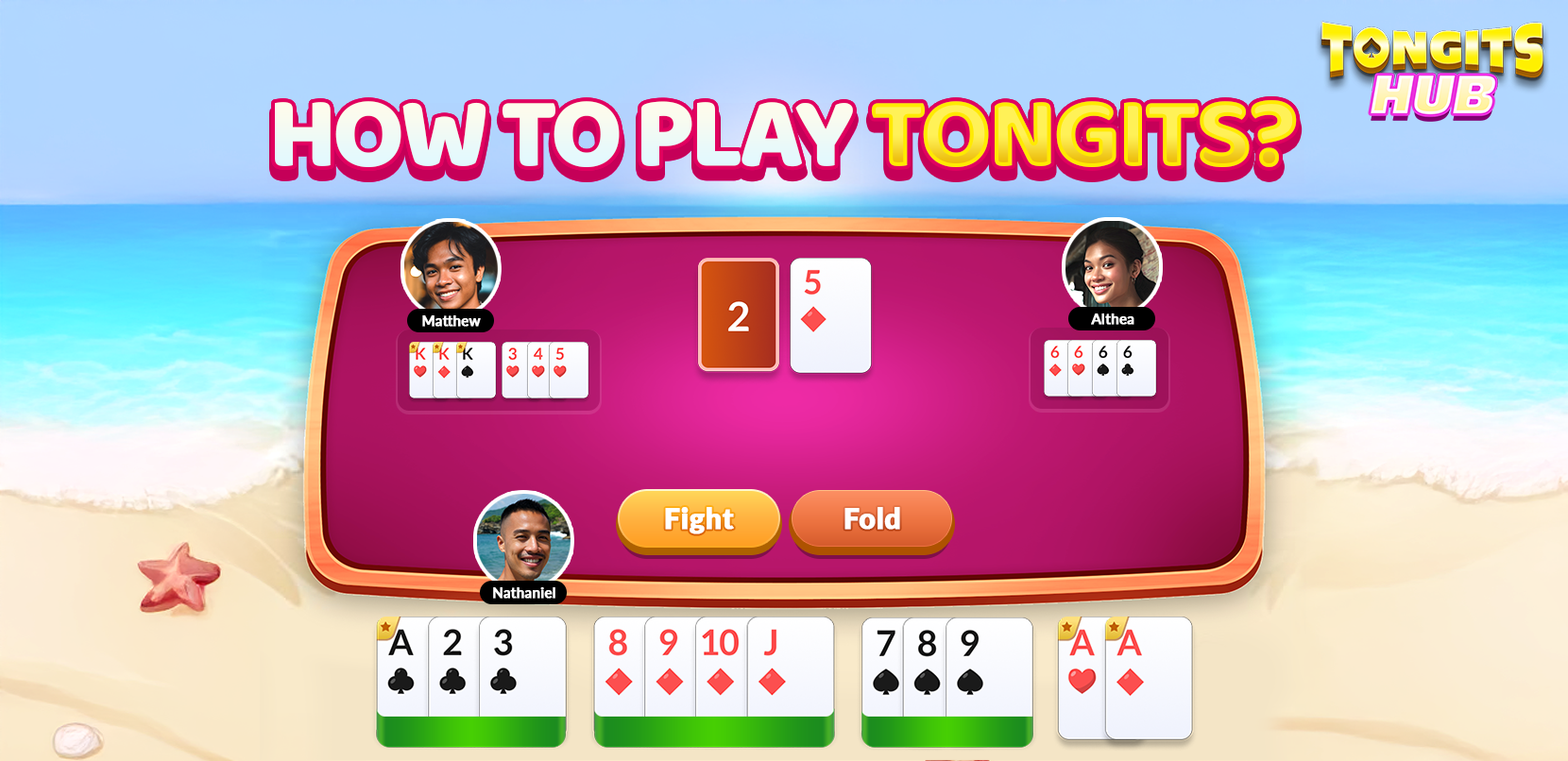
The ultimate objective of this fun and exciting game is to have the lowest points at the table. Basically, it is played by 3 players with a standard 52-card deck. Each player gets 12 cards (except for the Dealer, more on this later). The players have to arrange their cards in special combinations known as Melds, and discard the extra cards. This reduces their points. At the end of the game, whoever has the lowest points wins the game.
Sounds simple, right? But hold on! Not so fast.
This merely explains the objective of the game in the simplest way possible. It basically answers the main question - what is Tongits.
There are some (actually, a lot of) nuances that you’ll have to learn once you start playing the game for real.
Understanding the tongits gameplay
To fully understand the tongits card game, you will have to familiarize yourself with the fundamental terms of the game.
1. Pile
Open Pile: Cards placed face-down on the table. Players can pick one card each from this pile on their turn. Discard Pile: Cards placed face-up on the table. These are the cards discarded by the players on the table. Players can also choose to pick cards from this pile instead of the Open Pile as mentioned earlier.
2. Melds
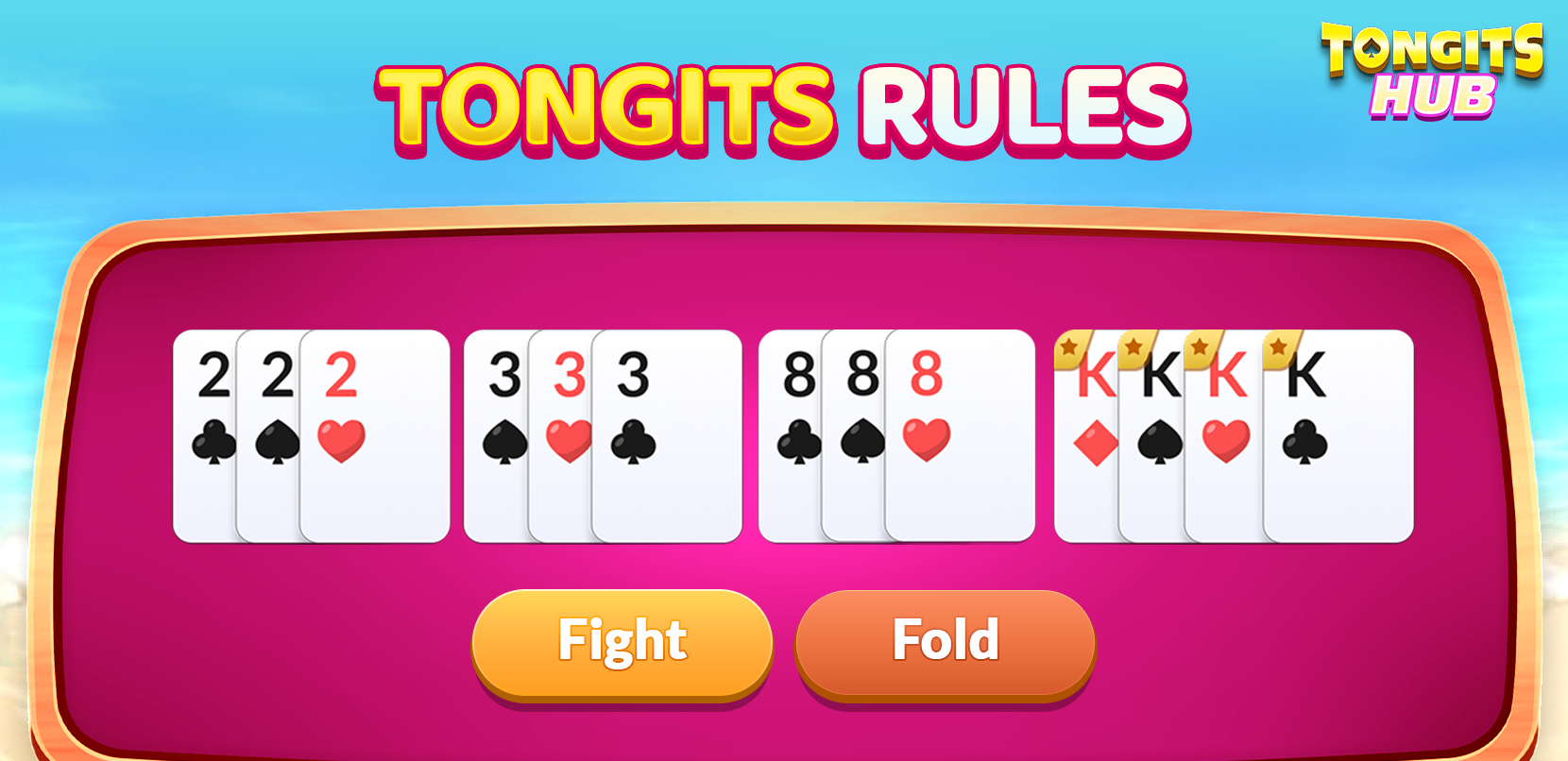
The special combinations of cards in Tongits gameplay are called Melds. These are the cards you keep face-up on the table. There are two ways to form the Melds: Sets: 3 or 4 cards of the same rank (K♣️ K♥️ K♦️ or 9♠️ 9♥️ 9♦️ 9♣️) Runs (or Sequence): Straight Flush, i.e. 3 or more consecutive cards of the same suit (♣️4 ♣️5 ♣️6)
3. Sapaw or Lay-Off
Of all the tongits rules, Sapaw is the most interesting one. Sapaw is basically adding one or more cards from your hand to an existing Meld of your opponent. This is a great way to reduce your total points. This is also the key difference between rummy games and “tongits’ how to play rule book”.
4. Tongits
Players can call "Tongits" if they have used all their cards either in Melds or Sapaw. This is the best-case scenario to win a [tongits game] for any player.
5. Sunog or Burn
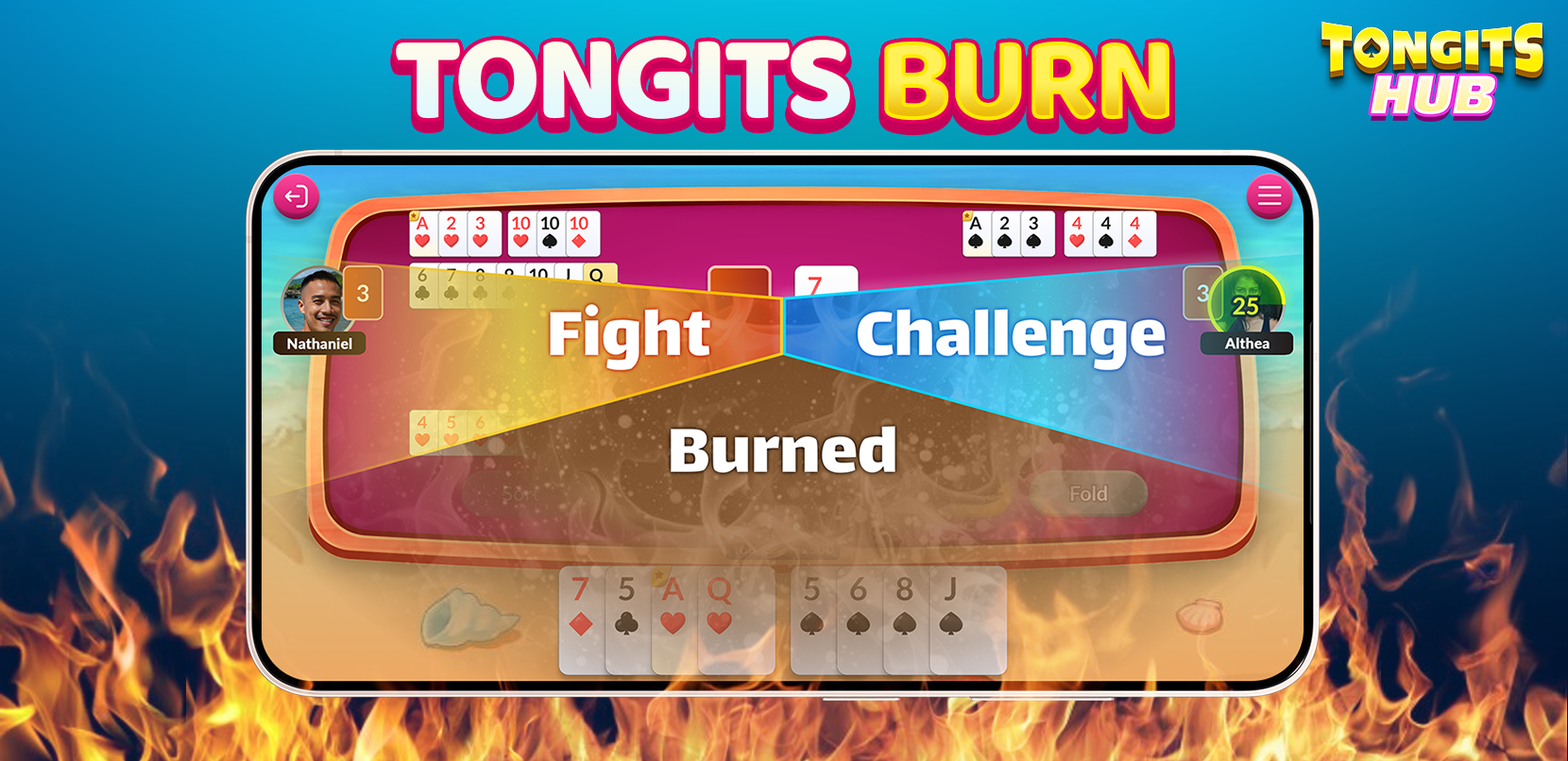
Sunog or Burn happens when a player has not laid down (opened) any Meld on the table before the hand ends. The player loses automatically even with the lowest points.
6. Challenge or Fight
Any player can initiate a Challenge, if they think they have the lowest points on the table. Before initiating a Challenge, you must follow these tongits rules:
- You have laid down at least one Meld
- None of the other opponents have done a Sapaw or added a card to your Meld in that round After a successful Challenge, players can either Fight (accept the challenge & show their points) or Fold to end the game.
Now you understand the basics of the games well now. These basics are a perfect starting point for tongits for beginners.
Tongits - How to Play (Step-by-Step Guide)
Let’s learn how to play tongits step-by-step. It will help you understand all the actions a player can take on a Tongits table and what is the significance of each tongits rule.
Step 1: Card Dealing & Taking Seat
The dealer deals the card. The dealer gets 13 cards while the other 2 players get 12 cards each. All the remaining cards go into the Closed Pile. The dealer is changed after each round.
Deciding a Dealer:
- A toss decides the Dealer at the beginning of the game.
- The player who gets the highest card becomes the Dealer for that game.
- The player on the winning seat will be the Dealer in the next game.
- If 2 players leave the table at the end of a game, a new toss will decide the Dealer.
Step 2: Draw or Pick Up
Every turn starts with picking up a card from either the Closed Pile or the Discard Pile (the pile made by the cards discarded by other players). The most important thing to keep in mind while drawing a card from the Discard Pile is that you can use that card only to make a Meld, which you have to lay down on the table immediately.
Step 2: Create Melds
If possible, create a Meld using your cards (plus the picked up card). Valid Melds are kept face-up on the table. It reduces your total points.
Step 3: Sapaw/Lay Off
Sapaw is an optional, albeit, the most important step in any Tongits gameplay. We have already explained it above while explaining the key tongits terms & game rules. Sapaw is one of the most strategy-oriented aspects of this game. Because, if you Sapaw any opponent, then you block that player from Challenging you during that hand.
Step 4: Discard
You end your turn by discarding a card you don’t need. One key thing to remember is to discard a high-value card such as Jack, King, Queen or Ten first. It reduces your points quicker compared to low-value cards.
Step 5: Ending A Game
This is the “skill” part of this game. Because, in this game it is not necessary for a player to have the best cards or hands. What’s necessary is to have a strategy that is sharper than your opponent’s strategy. You can end a tongits game by either “Calling Tongits” or Challenging other opponents. We have explained both of these scenarios already. The third scenario to end a game is when the Closed Pile runs out of all the cards. In that case, the player with lowest points wins the game.
This answers the most frequently asked question about tongits: how to play.
Points Calculation
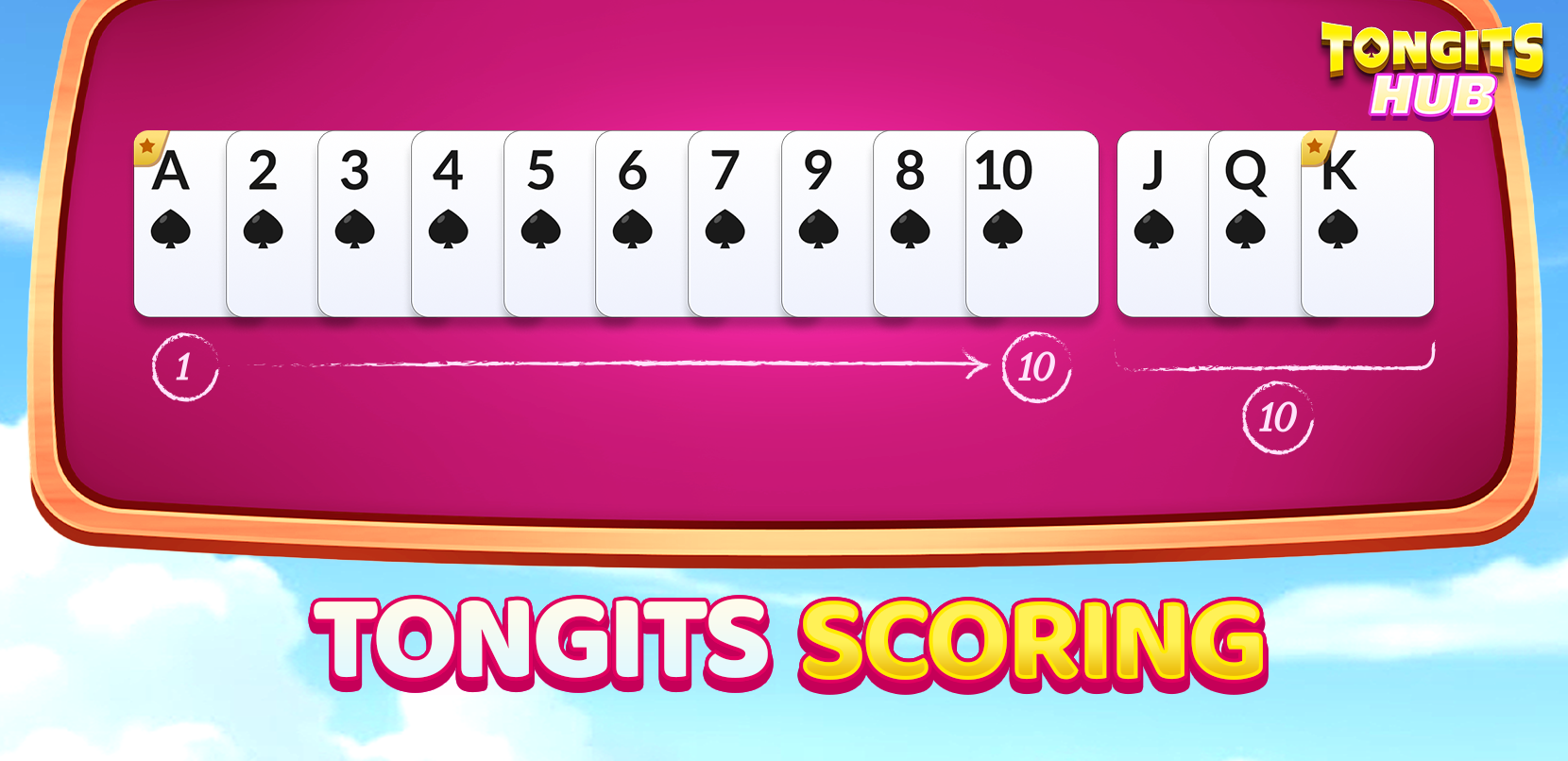
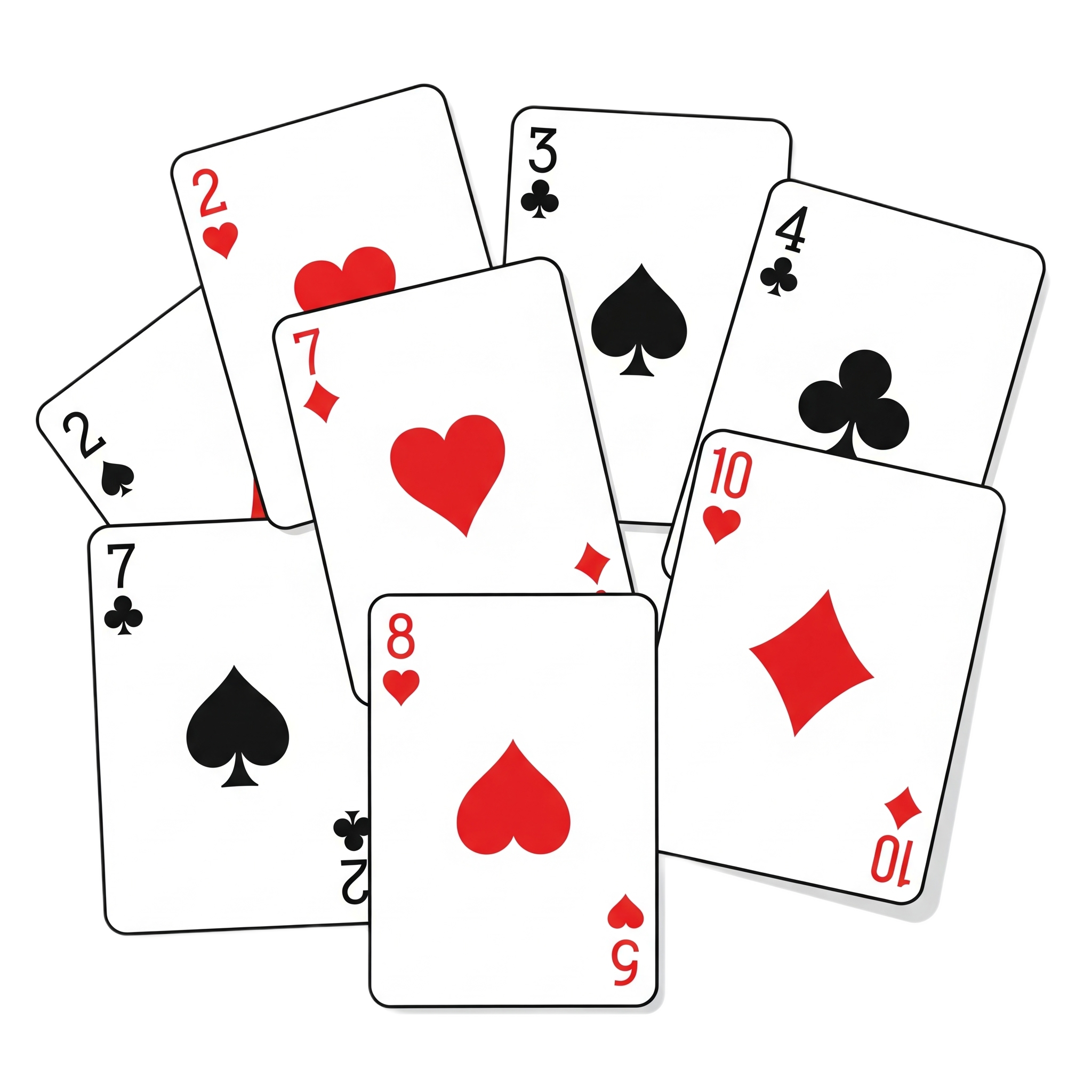
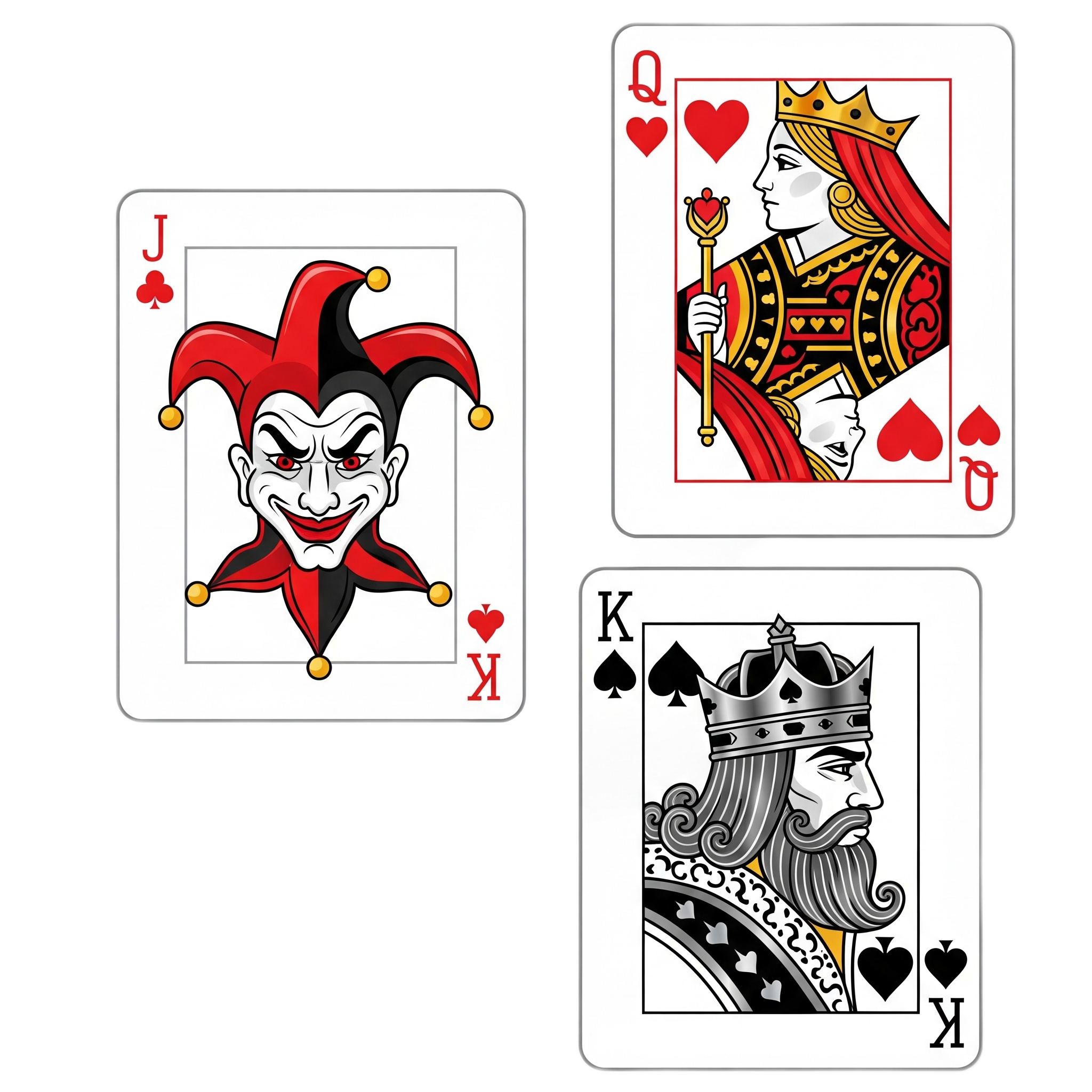
Points are a very crucial part of tongits game rules. The points calculation is extremely simple as exhibited in this table:
| Cards | Point Value |
|---|---|
 |
10 points each (Jack, Queen, King) |
 |
A to 10 rank cards have points value equivalent to the card number (A♦️ = 1, 2♣️ = 2, … 9♠️ = 9) |
The basic thumb rule in tongits for beginners as far as scoring is concerned is “lower is better”.
Common Beginner Mistakes to Avoid
Now when you have a very good understanding of what is tongits and how to play tongits, knowing about common mistakes is also of equal importance. No tongits for beginners is complete without explaining these common traps that a noob must avoid in order to improve the game.
Mistake 1: Holding on to high-value cards
The biggest rookie mistake in this game is to hold on to the big cards such as (10s, J, Q, K) in the hope of creating a perfect Meld. New players must remember to discard the high-value cards first rather than the smaller cards. This reduces their points tally drastically and improves their chances of winning in the case of Challenge. Many beginners focus only on waiting for the perfect run or set.
Mistake 2: Not focusing on Sapaw
Sapaws or lay-offs are the best way to reduce the points quickly. When tongits beginners miss the chance to Sapwa on the opponents’ melds, and then discard that high-value card later in the game, their score gets hurt twice in the same game. Therefore, a good “tongits how to play” tip is to keep an eye on all the melds at the table and Sapaw them at every opportunity you get. It also blocks other users from Challenging you when you are not ready.
Mistake 3: Picking up from the Discard Pile without a plan
If you remember the rules from above, you can only pick up from the discard pile if you can use that card in a meld. In case you pick up a card from the discard pile recklessly, and this allows the next player to win the game, and you get Burnt or Sunog. This is one of the major points from the “Tongits how to play rule book”.
Conclusion: Starting Your Tongits Journey
You made a big step into a great adventure when you asked “What is Tongits?”. Now when you know the history of tongits, its game rules and scoring mechanism, you are all set to play your first game of Tongits. This game will not only sharpen your decision making, but will also improve your memory and risk management skills. So, what are you waiting for? Use your knowledge of how to play tongits while it is still fresh in your mind, and get started.