Filipino Card Games Guide: How To Play & Popular Variants

Filipino card games have long been a cherished pastime, blending rich cultural history with social fun. Whether you're discovering Tongits for the first time or diving into the strategic world of Pusoy Dos, understanding these games opens a window into Filipino tradition and community. These aren't just card games, they're living pieces of cultural heritage that have been passed down through generations, adapted through centuries of colonial influence, and now thriving in the digital age.
Walk through any Filipino neighborhood during a fiesta, and you'll hear the shuffle of cards, the friendly banter, and the occasional triumphant shout of "Tongits!" These games bring families together, connect overseas Filipinos to their roots, and create bonds that transcend simple entertainment. But most guides barely scratch the surface of what makes these games special.
This comprehensive guide goes deeper than typical blog posts. We're exploring the pre-colonial roots that most historians overlook, the regional variants that reflect the Philippines' incredible diversity, the digital transformation connecting the diaspora, and the cultural significance that makes these games more than just pastimes. You'll learn not just how to play popular Filipino card games like Tongits and Pusoy Dos, but also why they matter, where they came from, and how they're evolving in the modern world.
Whether you're a Filipino reconnecting with your heritage, someone married into a Filipino family trying to understand game night, or simply curious about card game traditions around the world, this guide has something for you. Let's dive in.
Origins of Filipino Card Games
Understanding where these games came from helps you appreciate why they're played the way they are today.
Pre-Colonial and Indigenous Roots of Filipino Card Games
Before we talk about cards, let's acknowledge what existed before Spanish colonization. The Philippines had rich traditions of indigenous games and leisure activities that laid the groundwork for how Filipinos approach gaming and social recreation.
Pre-colonial Filipinos engaged in various strategic games, though not with the European-style playing cards we recognize today. Games involving shells, sticks, and indigenous counting systems developed strategic thinking and social bonding, the same values that would later be transferred to card games. The concept of sugal (gambling) and competitive play existed long before Western cards arrived.
The indigenous Baybayin script and native artistic traditions would eventually inspire modern cultural revivals in card game design. While the actual card games we know today were introduced later, the Filipino approach to gaming, emphasizing community, strategy, and social interaction, has deep indigenous roots.
The cultural continuity: When cards were introduced, Filipinos didn't just adopt foreign games wholesale. They adapted them, creating unique variants that reflected Filipino values of pakikisama (getting along with others), diskarte (resourcefulness), and community bonding.
Colonial Influences: Spanish, Chinese, and American Legacy
The card games Filipinos play today are products of centuries of cultural exchange, sometimes through colonization, sometimes through trade and immigration.
Spanish colonial period (1565-1898): The Spanish introduced European playing cards with Latin suits (swords, cups, coins, and clubs). These became the foundation for many Filipino card games. The Spanish also brought strict regulations around gambling, creating a complex relationship with card playing that persists today. Interestingly, the Spanish monopoly on card sales made playing cards both a luxury and a form of subtle resistance, playing with homemade or smuggled cards was a small act of defiance.
Chinese influence: Chinese traders and immigrants brought games like Mahjong and various tile games. While Mahjong itself remained distinct, its strategic elements influenced how Filipinos approached card games. The concept of forming sets and sequences, central to games like Tongits, shows clear parallels to Chinese Rummy variants.
American period (1898-1946): American colonization introduced Anglo-American card games like Poker and Rummy. The game "Tonk" (an American Rummy variant) particularly influenced what would become Tongits. Americans also brought standardized 52-card decks with French suits (hearts, diamonds, clubs, spades), which eventually became the norm in the Philippines.
The beautiful synthesis: Filipino card games represent a unique cultural fusion. They use French-suited decks (American influence), incorporate Rummy-style meld mechanics (Chinese influence), maintain the social and gambling aspects of Spanish card culture, and add distinctly Filipino strategic elements and terminology.
The Cultural Revival of Filipino Card Games
Recently, there's been a fascinating movement to reclaim and celebrate Filipino card game heritage.
The Baybayin card game phenomenon: Designers like Patricia Ramos have created playing card decks featuring Baybayin script (the pre-colonial Filipino writing system), effectively turning card games into educational tools. These decks teach players Baybayin while they play familiar games, connecting modern entertainment with ancient language preservation.
Artistic innovation: Filipino artists like Rodel Tapaya are reimagining card designs with indigenous motifs, historical figures, and cultural symbols. This transforms ordinary playing cards into cultural artifacts that celebrate Filipino identity.
Academic interest: Scholars are increasingly studying Pinoy card games as windows into Filipino social dynamics, economic behaviors, and cultural values. What was once dismissed as mere gambling is now recognized as legitimate cultural practice worthy of preservation and study.
Digital preservation: The rise of digital platforms has paradoxically helped preserve traditional games. Younger Filipinos who might never have learned from their lolas are discovering Tongits and other traditional games through mobile apps, creating a new generation of players.
Popular Filipino Card Games and How to Play Them
Let's break down the most beloved Filipino card games, starting with the undisputed champion.
Tongits: The Classic Filipino Card Game
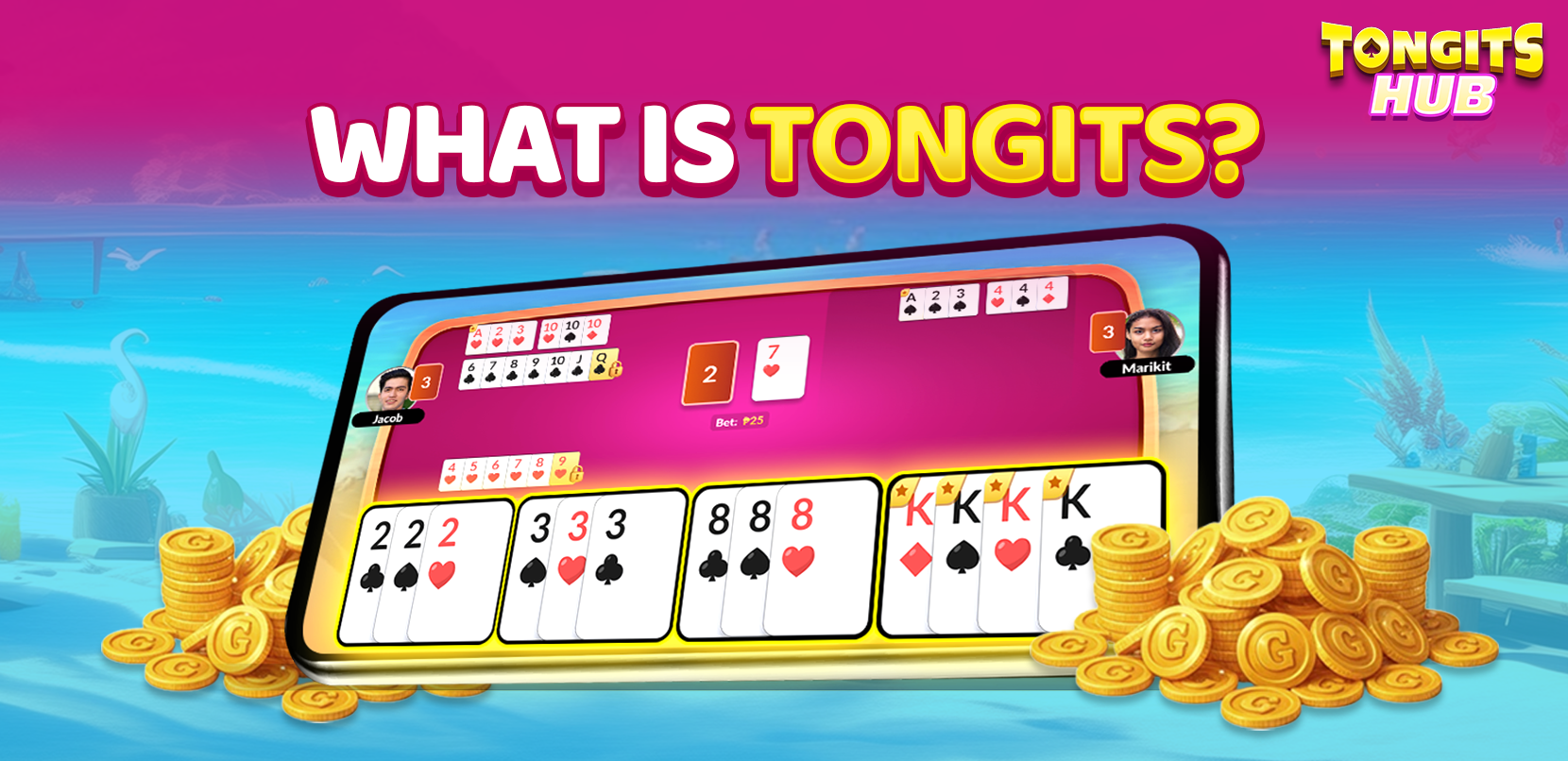
Tongits (also spelled Tong-its) is arguably the most popular Filipino card game, played everywhere from barangay corners to overseas Filipino communities.
Basic Tongits Rules:
- Players: 3 (optimal and traditional)
- Deck: Standard 52-card deck
- Objective: Be first to empty your hand (called "Tongits") or have the lowest hand value when someone calls "Fight"
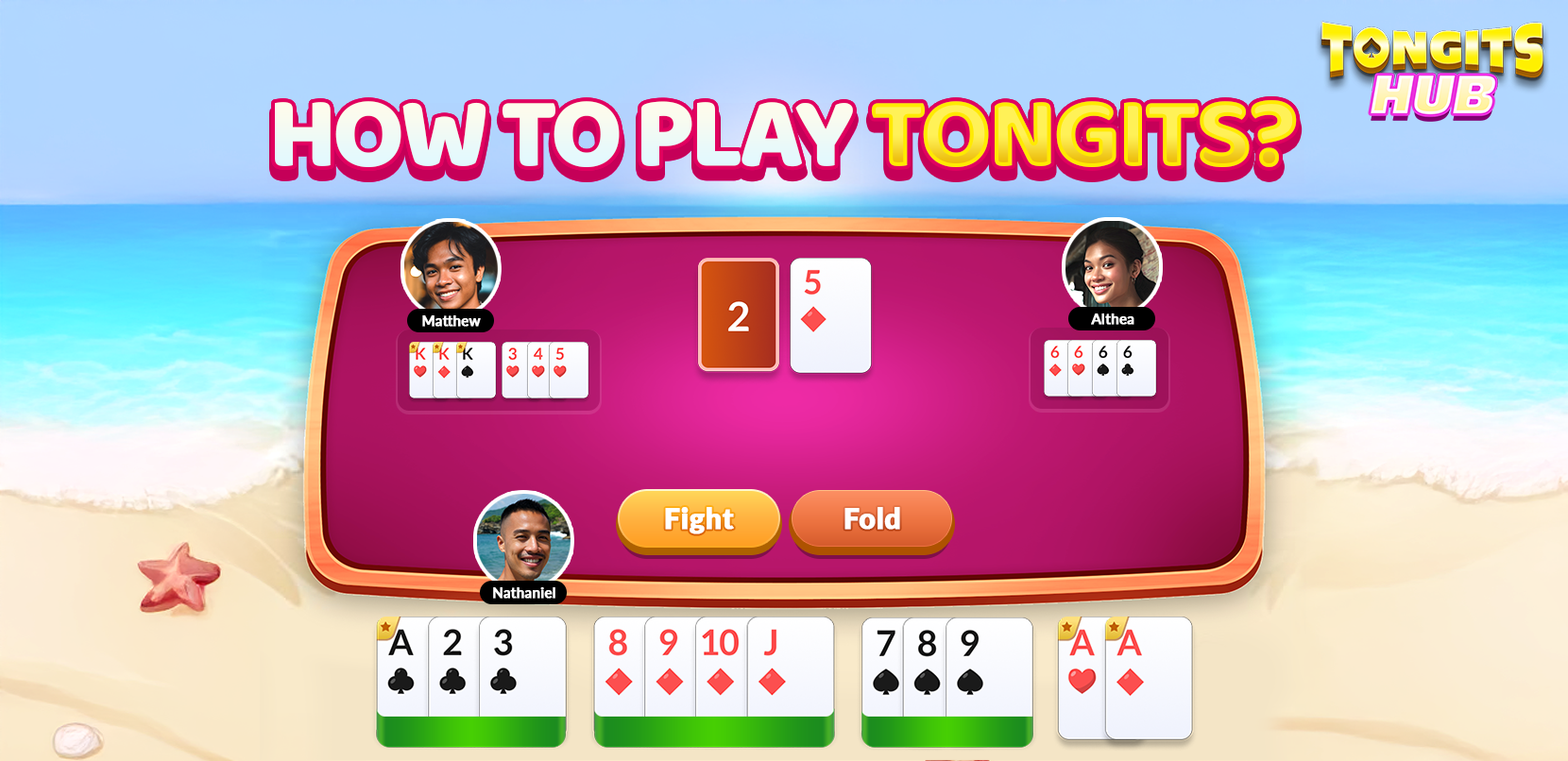
How to play Tongits :
Setup: Each player gets 12 cards; the dealer receives 13. Remaining cards form the draw pile.
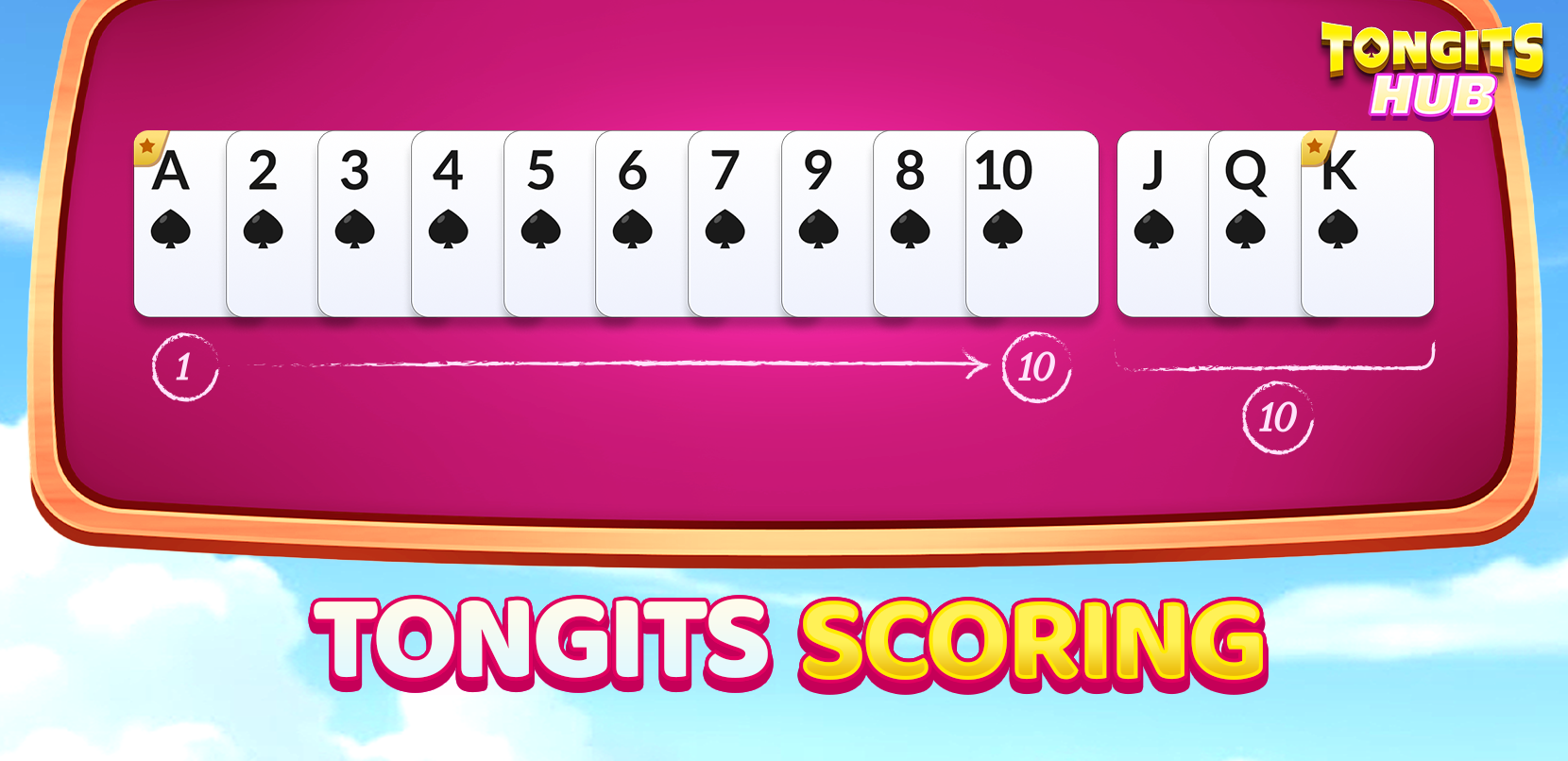
Card values: Aces = 1 point, 2-10 = face value, face cards = 10 points
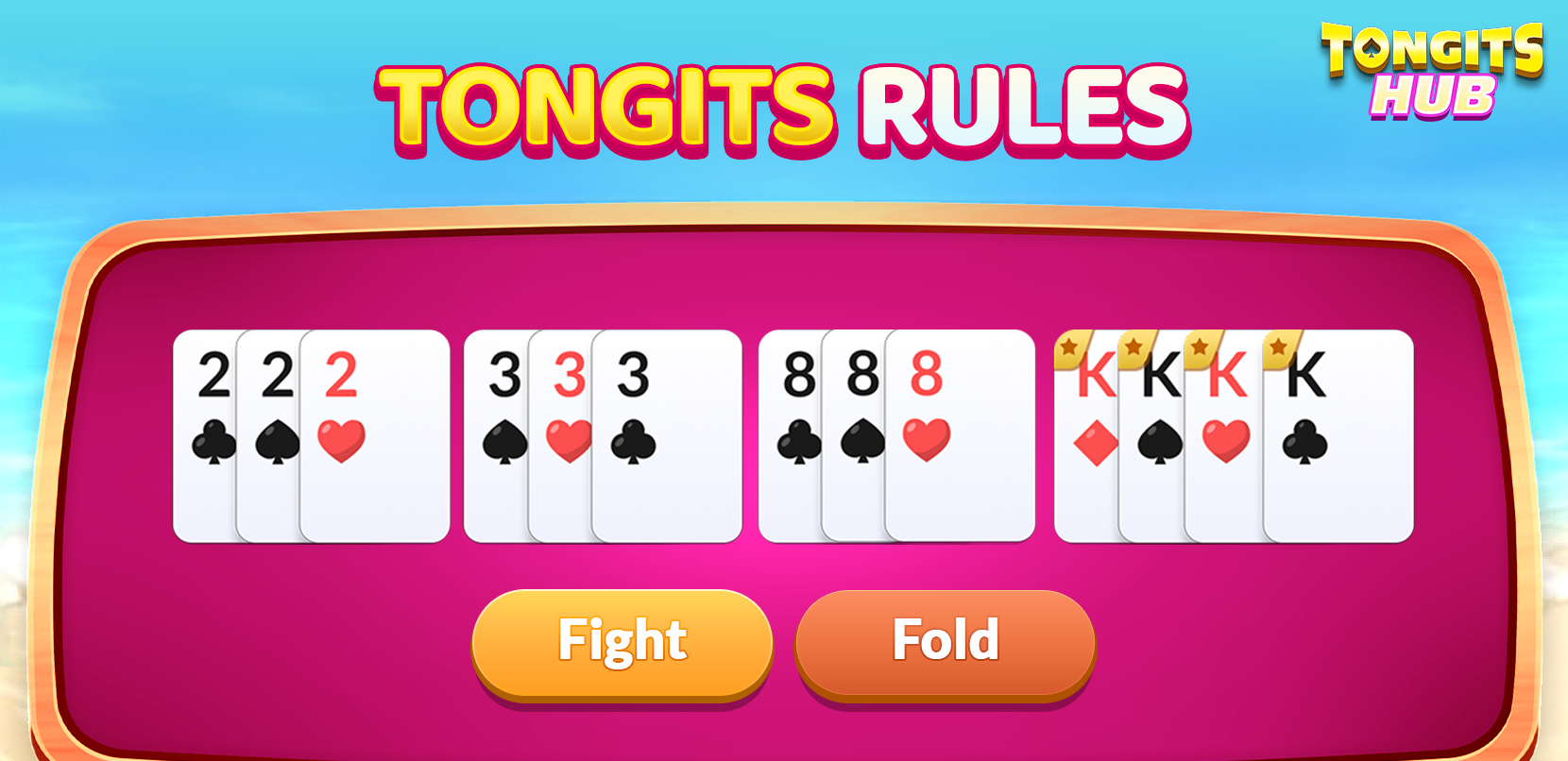
Valid melds: Sets (three or four same-rank cards) or Runs (three or more consecutive same-suit cards)
Turn structure:
- Draw a card (from deck or discard pile)
- Optionally lay down melds or "sapaw" (add to existing melds)
- Discard one card
- Next player's turn
Winning:
- Tongits: Empty your entire hand (highest payout)
- Fight/Draw: Call when you believe you have the lowest hand value (risky but profitable if correct)
- Burned: If you call Fight incorrectly, you pay everyone
What makes Tongits special: The "sapaw" mechanic (laying off cards on anyone's melds, not just your own) creates constant interaction and prevents players from hiding behind strong hands. The Fight call adds psychological tension, do you call now with 12 points, or wait one more turn?
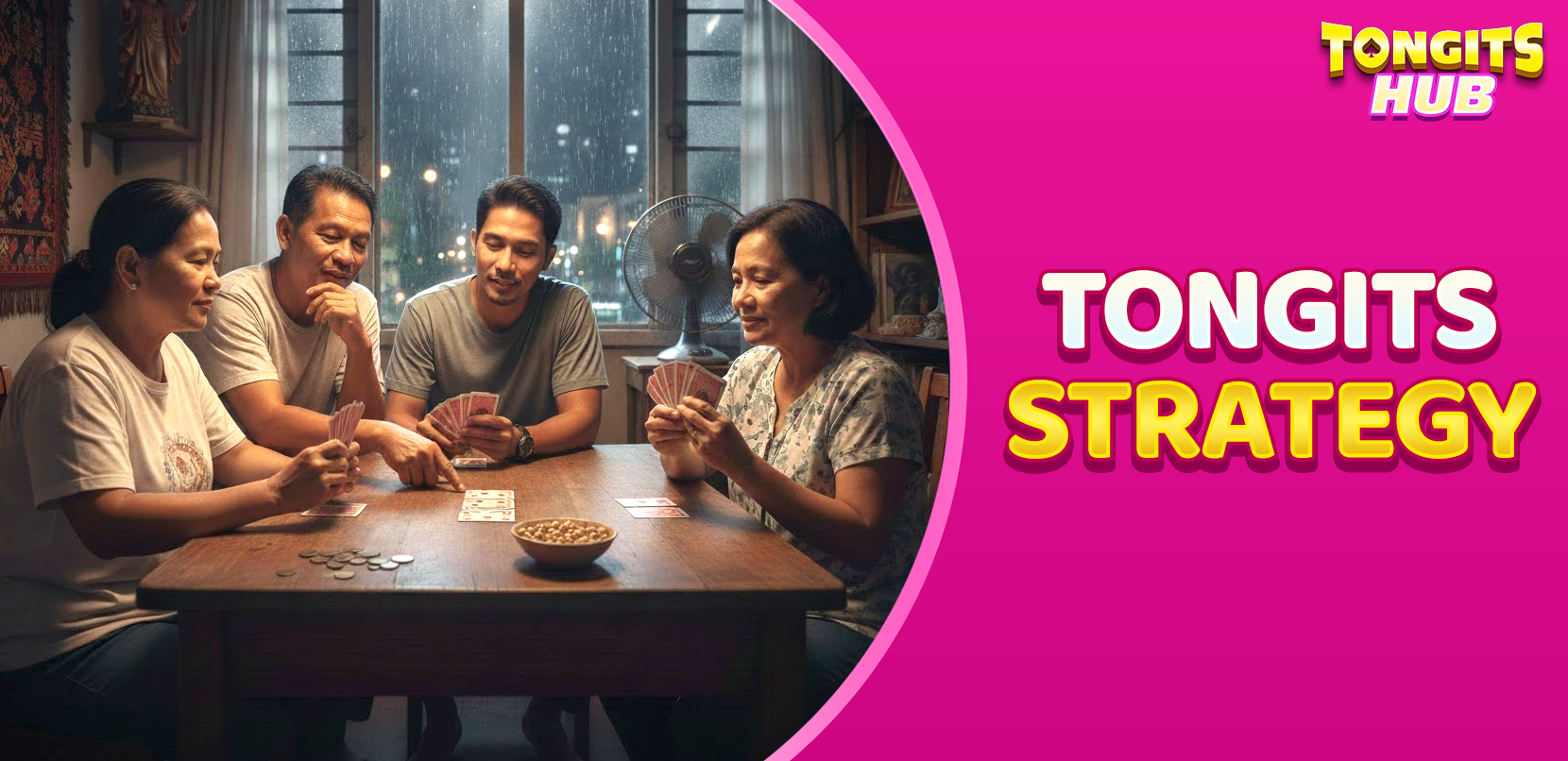
Pro Tongits tips:
- Lay down melds early to reduce hand value
- Track what opponents discard to predict their hands
- Save the Fight call for when you're confident (under 10 points ideally)
- Use sapaw aggressively when close to winning
Pusoy Dos and Other Variant Games
Pusoy Dos (also called Filipino Poker) is the second most popular card game in Filipino culture.
Basic Pusoy Dos rules:
- Players: 2-4 (best with 4)
- Objective: Empty your hand by playing card combinations that beat previous plays
- Ranking: 2 is highest, 3 is lowest (hence "Dos" meaning two in Spanish)
Gameplay: It's a climbing game where you must play higher combinations than the previous player. Combinations include singles, pairs, three-of-a-kind, straights, flushes, full houses, and four-of-a-kind.
Key differences from Western poker:
- The 2 of diamonds is the game starter
- 2s are the most powerful cards
- Suit ranking matters (diamonds > hearts > spades > clubs)
- It's about shedding cards, not collecting chips
Pekwa: A simpler variant where players try to avoid collecting penalty cards. It's popular in Central Luzon and played at a faster pace than Tongits.
Other Pinoy card games:
- Tres-Siete (3-7): A gambling game focused on drawing cards close to 7 or 3
- Lucky Nine: Players try to reach a total of 9 with two or three cards
- Sakla: A quick betting game popular in rural areas
Regional Variations and Lesser-Known Filipino Card Games
The Philippines' 7,000+ islands mean incredible regional diversity in card games.
Visayan variations: In the Visayas, certain regions play Tongits with modified rules about when you can sapaw, or different hand value calculations.
Mindanao traditions: Southern Philippines has card games influenced by Islamic traditions and neighboring Indonesian/Malaysian games.
Lesser-known games:
- Patandaan: A matching game popular in some provinces
- Sangandaan: A traditional betting game with complex scoring
- Beinte-uno (Twenty-one): Filipino Blackjack with local rule variations
Why regional variety matters: These variations show how Filipino card games aren't monolithic, they've adapted to local cultures, languages, and social norms. What works in Manila might be played differently in Iloilo or Davao, reflecting the Philippines' beautiful diversity.
Filipino Card Games as Social and Cultural Practices
Card games in Filipino culture serve purposes far beyond entertainment.
Role of Card Games in Filipino Family and Social Bonding
Intergenerational connection: Filipino card games are often how grandparents connect with grandchildren. A lolo teaching his apo to play Tongits isn't just passing time, he's transferring strategic thinking, teaching patience, and sharing stories. The games become vehicles for wisdom transmission.
Fiesta centerpieces: At any Filipino celebration, birthdays, town fiestas, Christmas gatherings, you'll find card tables set up. These games structure social interaction, giving people something to do while fostering conversation and community.
Bayanihan through cards: The communal spirit of bayanihan (community unity) manifests in card games. Even competitive play maintains social harmony through jokes, shared food, and inclusive participation.
Creating Filipino spaces abroad: For overseas Filipino workers and immigrants, card game nights recreate the feeling of home. A Tongits game in Dubai, Toronto, or Los Angeles becomes a temporary barangay, maintaining cultural identity across distances.
Gambling Culture and Responsible Play
Let's address the elephant in the room: many Filipino card games involve gambling, and this creates complex cultural dynamics.
The reality: In many Filipino communities, card games are played for money, sometimes small stakes, sometimes significant amounts. This isn't inherently problematic, but it can become harmful.
Cultural attitudes: Filipino culture has an ambivalent relationship with gambling. It's simultaneously socially accepted (especially in controlled social settings) and morally concerning (when it leads to financial problems or addiction).
Legal landscape: The Philippines has complex gambling laws. PAGCOR (Philippine Amusement and Gaming Corporation) regulates certain forms of gambling, but informal card games exist in a gray area, technically illegal in many contexts but widely tolerated.
Responsible gaming advice:
- Set strict limits before playing
- Never play with money you can't afford to lose
- Recognize warning signs (chasing losses, hiding gambling, neglecting responsibilities)
- Remember that social connection matters more than winnings
- Seek help if gambling becomes compulsive
The distinction: Playing cards for enjoyment versus problem gambling are different things. Healthy card playing builds community; problem gambling destroys it.
Gender and Minority Participation in Filipino Card Games
Women in Filipino card games: Historically male-dominated, Filipino card games are increasingly inclusive. Modern Filipino women participate fully, and many are excellent players. The social nature of the games makes them more accessible than stereotypically masculine gambling activities.
Indigenous and minority groups: Indigenous Filipino communities have their own gaming traditions that sometimes intersect with introduced card games. Preserving these unique variants is important for cultural diversity.
Breaking barriers: The digital transformation of Filipino card games has democratized access, anyone with a smartphone can play, regardless of gender, location, or social status.
Digital Transformation and Global Reach
Technology has revolutionized how Filipinos play and share their traditional card games.
Digital Versions of Filipino Card Games and Their Popularity
The mobile gaming boom: Apps like Tongits ZingPlay, Tongits Go, and Pusoy Dos online platforms have millions of users. These apps replicate traditional gameplay while adding modern conveniences, automatic scoring, matchmaking, tutorials, and social features.
Why digital works:
- Accessibility: Play anytime without gathering three people
- Learning curve: Tutorials help beginners without embarrassment
- Social features: Chat, friend systems, and tournaments create community
- Preservation: Codifying rules in apps helps standardize and preserve games
Challenges of digitalization:
- Loss of physical presence: Missing body language and face-to-face interaction
- Gambling concerns: Easier to lose track of spending in digital environments
- Authenticity questions: Do digital versions lose cultural authenticity?
The verdict: Digital platforms have been overwhelmingly positive for Filipino card games, expanding reach while maintaining core gameplay. They're tools for cultural preservation, not replacements for traditional play.
Filipino Card Games in the Diaspora: Identity and Soft Power
For the 10+ million Filipinos living abroad, card games are powerful identity anchors.
Cultural maintenance: Playing Tongits in New York or Pusoy Dos in Dubai maintains connection to Filipino identity. These games become acts of cultural resistance against assimilation pressures.
Community building: Filipino card game nights create diaspora communities, helping immigrants find social networks in new countries.
Teaching the next generation: Second-generation Filipino-Americans or Filipino-Canadians often learn card games as part of cultural education, maintaining heritage across generations.
Soft power: Filipino card games are increasingly recognized internationally as cultural exports. They're featured in cultural festivals, academic studies, and media representation, raising the Philippines' cultural profile globally.
How to Get Started with Filipino Card Games
Ready to play? Here's your practical guide.
Beginner's Guide to Learning Popular Filipino Card Games
Starting with Tongits:
- Learn basic rules: Watch YouTube tutorials (search "how to play Tongits")
- Download an app: Tongits Go or ZingPlay for practice
- Play against AI: Build confidence before facing real opponents
- Join low-stakes tables: Practice with minimal risk
- Ask questions: Filipino gaming communities are generally welcoming
Mastering Pusoy Dos: Similar approach, learn combinations, practice sequencing, understand climbing game mechanics. It's more complex than Tongits, so give yourself time.
Resources:
- YouTube channels dedicated to Filipino card games
- Reddit communities (r/Philippines often discusses games)
- Facebook groups for specific games
- Local Filipino community centers
Hosting a Filipino Card Game Night: Tips and Ideas
Creating authentic atmosphere:
Food is essential: Serve Filipino snacks, lumpia, pancit, puto, bibingka. Card games and food are inseparable in Filipino culture.
Mixed experience levels: Include both expert and novice players. Veterans should mentor beginners patiently.
Multiple tables: Have different games happening simultaneously, Tongits at one table, Pusoy Dos at another.
Minimal stakes or none: Focus on social connection, not gambling. If you do play for money, keep stakes symbolic.
Music and ambiance: Filipino music in the background, comfortable seating, good lighting.
Inclusivity: Make sure everyone feels welcome, regardless of skill level.
Creating Your Own Filipino Card Game
Why create? Designing a culturally authentic card game can be educational and creative.
Steps to design:
- Research: Study Filipino history, mythology, or regional culture
- Choose theme: Baybayin script, historical heroes, indigenous animals, etc.
- Design cards: Hire Filipino artists or use cultural motifs respectfully
- Develop rules: Adapt traditional games or create new mechanics
- Playtest: Gather feedback from Filipino players
- Educational angle: Consider how your game teaches culture
Examples: The Baybayin card deck teaches pre-colonial script. Imagine games teaching Filipino history, indigenous languages, or ecological awareness.
Strategies and Expert Tips for Mastering Filipino Card Games
Let's level up your gameplay with advanced tactics.
Pro Tips for Tongits and Other Games
Advanced Tongits strategy:
The early meld advantage: Laying down melds quickly isn't weakness, it's strategic positioning. It protects you from Fight calls and opens sapaw opportunities.
Opponent reading: Track what people discard. If someone discards multiple hearts early, they're not building heart sequences. Use this information to safely discard what they don't need.
The Fight timing science: Only call Fight when your hand value is at least 5 points lower than what you estimate opponents hold. This buffer accounts for uncertainty.
Sapaw psychology: Use sapaw not just to reduce cards, but strategically to limit opponents' future meld options.
Pusoy Dos mastery:
Card counting matters: Track which high cards have been played. If both red 2s are gone, strategies shift dramatically.
Combination building: Plan multiple turns ahead. Don't play your best combination too early.
Reading the table: If someone passed on playing, what does that tell you about their hand?
Common Gameplay Mechanics Explained
What makes Filipino card games unique:
Sapaw mechanic (Tongits): Unlike Western Rummy where you only add to your own melds, Tongits lets you add to anyone's melds. This creates constant interaction and prevents isolation strategies.
The Fight/Draw call: The ability to end the game at any point by calling for a showdown creates unique psychological tension. Every turn involves risk assessment.
Social rule flexibility: Filipino card games often have house rules that vary by group. This flexibility reflects Filipino cultural adaptability and local community standards.
Emphasis on social flow: Unlike silent, serious Western card games, Filipino versions encourage banter, jokes, and social interaction during play. The games facilitate community, not just competition.
Conclusion
Filipino card games are so much more than pastimes, they're living cultural artifacts that connect past to present, homeland to diaspora, and individual to community. From the pre-colonial strategic thinking that shaped how Filipinos approach games, through centuries of colonial influence creating unique cultural fusions, to the modern digital transformation connecting millions globally, these games tell the story of Filipino adaptability and cultural pride.
Whether you're playing Tongits at a Manila fiesta, Pusoy Dos in a Dubai apartment, or learning through a mobile app in California, you're participating in a tradition that spans generations. You're not just arranging cards, you're engaging in cultural practice that reinforces community bonds, transmits values, and celebrates Filipino identity.
The games themselves, Tongits with its sapaw mechanic, Pusoy Dos with its climbing sequences, and countless regional variations, reflect Filipino ingenuity in taking foreign introductions and making them distinctly Filipino. The emphasis on social interaction over silent competition, the flexibility of house rules over rigid standardization, and the integration with food and celebration all embody Filipino cultural values.
Ready to experience Filipino card games yourself? Download Tongits Hub and start playing today. Better yet, find your local Filipino community center and join a real card game night, experience the games the way they were meant to be played, surrounded by community, laughter, and lumpia. Or gather your own friends and family, teach them Tongits using this guide, and create your own tradition.