Mastering Tongits Bluffing: How To Bluff In Tongits Card Game

Are you struggling to win consistently at Tongits? You're not alone. Whether you're sitting around a table in a Filipino barangay or competing in an online tournament, Tongits can be frustratingly unpredictable, especially when you're still figuring out the nuances. But here's the thing: while luck plays a role, the players who consistently win aren't just getting better cards. They've mastered something most beginners overlook entirely: Tongits bluffing.
This guide is going to transform how you approach the Tongits card game. We're not just covering the basic Tongits rules (though we'll definitely explain those clearly). We're diving deep into the psychological warfare, the strategic chip management, the cultural context that shapes how the game is played, and most importantly, the art of bluffing that separates casual players from true champions.
Whether you're a complete beginner wondering how to play Tongits, an intermediate player looking to level up, or someone curious about the differences between physical table play and Tongits card game online platforms, you'll find actionable strategies here that you won't see in typical guides. Let's get into it.
What is Tongits? Understanding the Card Game Basics
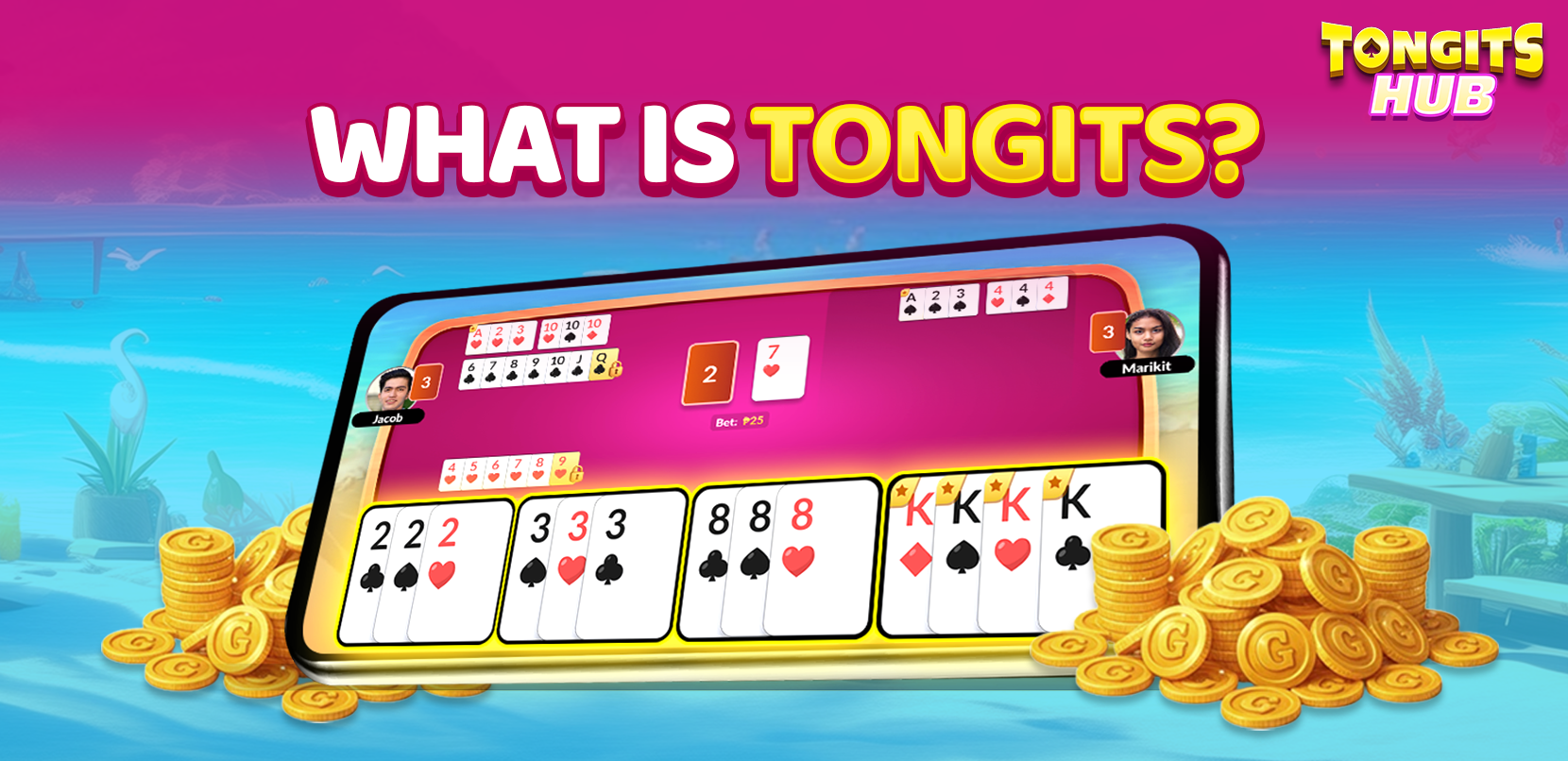
So what exactly is Tongits? Think of it as the Filipino cousin of Rummy, but with its own distinctive flavor and strategic depth. It's a fast-paced card game typically played by three players using a standard 52-card deck (no jokers). The goal? Be the first to get rid of all your cards by forming valid melds, sets and runs, or have the lowest hand value when someone calls for a showdown.
What makes Tongits unique are special moves like sapaw (laying off cards on opponents' melds) and tongit (going out with no cards left), plus the ability to "burn" the game when someone suspects they have the lowest hand. These mechanics create a dynamic where you're not just managing your own cards, you're constantly reading opponents, timing your moves, and yes, bluffing about the strength of your hand.
The game moves quickly, decisions matter, and unlike some card games where you're mostly playing against the deck, Tongits is all about outthinking the people across from you. It's part strategy, part psychology, and entirely addictive once you get the hang of it.
Comprehensive Tongits Rules and Game Setup
Let's break down exactly how to play Tongits, step by step. If you're already familiar with the rules, feel free to skip ahead, but if you're new or need a refresher, this is essential foundation.
Basic Setup:
- Players: Typically 3 (though some variants allow 2 or 4)
- Deck: Standard 52-card deck, no jokers
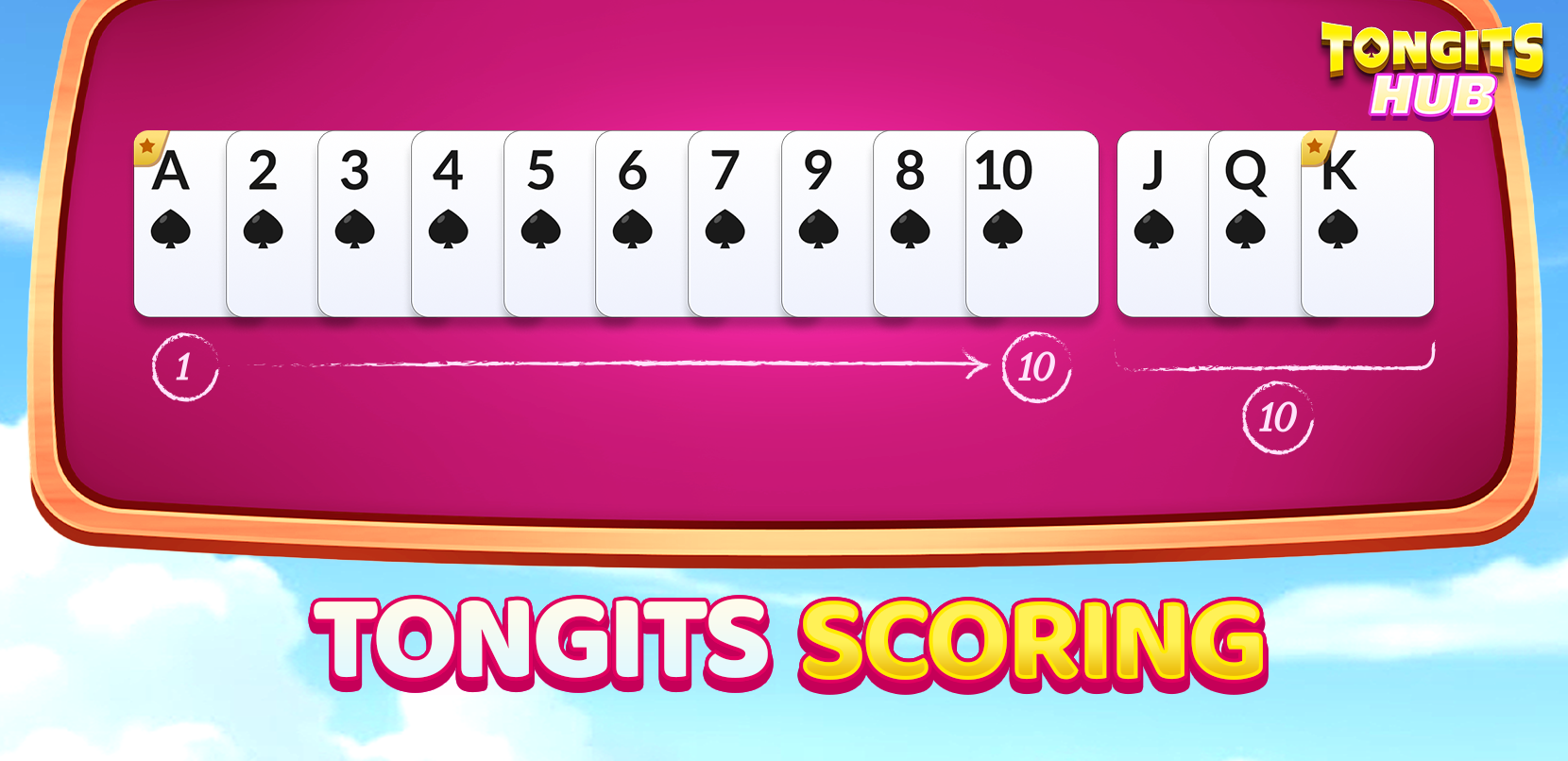
- Card Values: Ace = 1 point, 2-10 = face value, Jack/Queen/King = 10 points each
- Objective: Empty your hand completely (Tongit) or have the lowest hand value when the game ends
How the Game Starts:
- Each player receives 12 cards (the dealer gets 13)
- The dealer makes the first move, either discarding or laying down melds
- Play continues clockwise
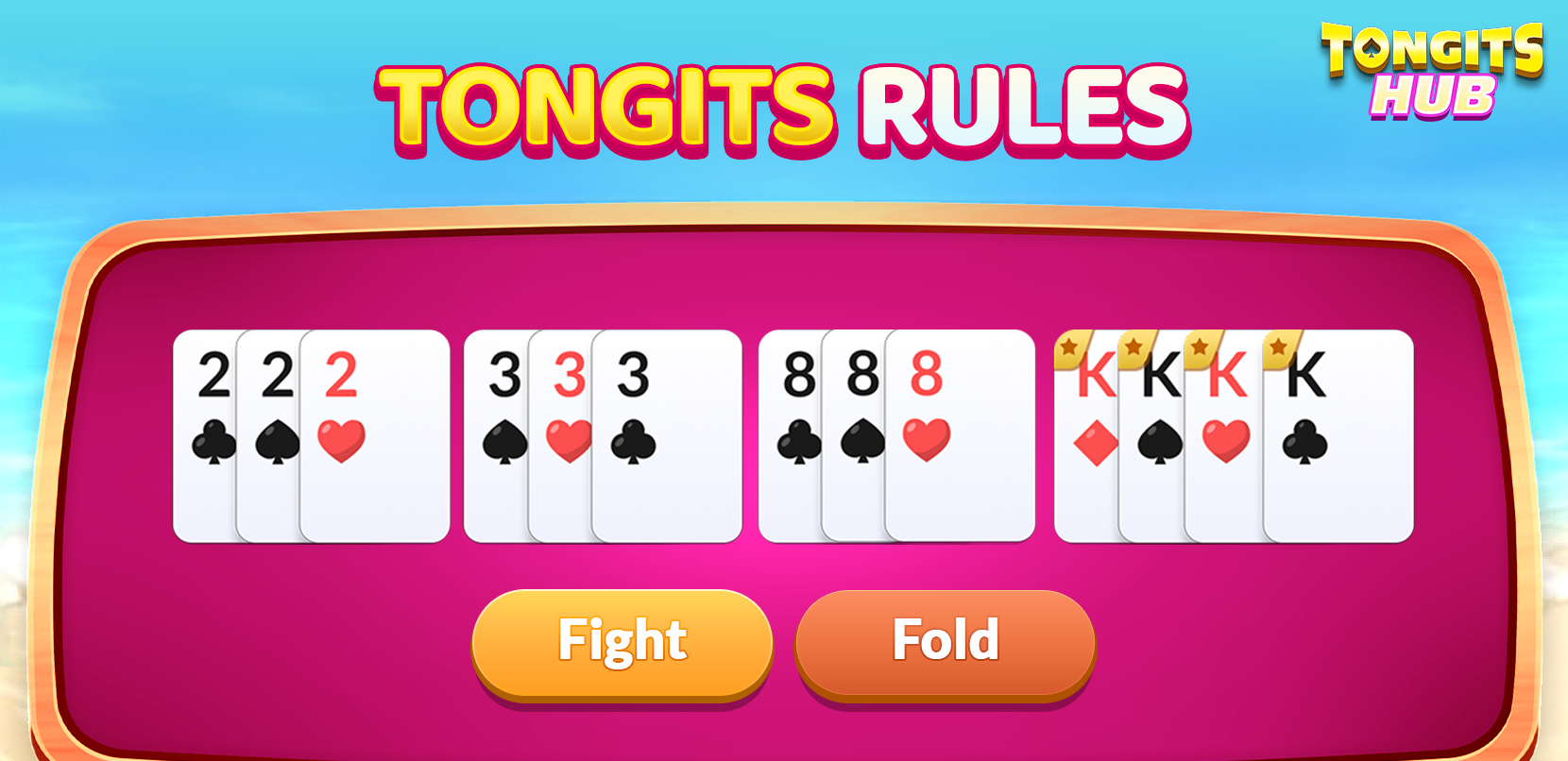
Valid Melds:
- Sets: Three or four cards of the same rank (e.g., three 8s)
- Runs: Three or more consecutive cards of the same suit (e.g., 5-6-7 of hearts)
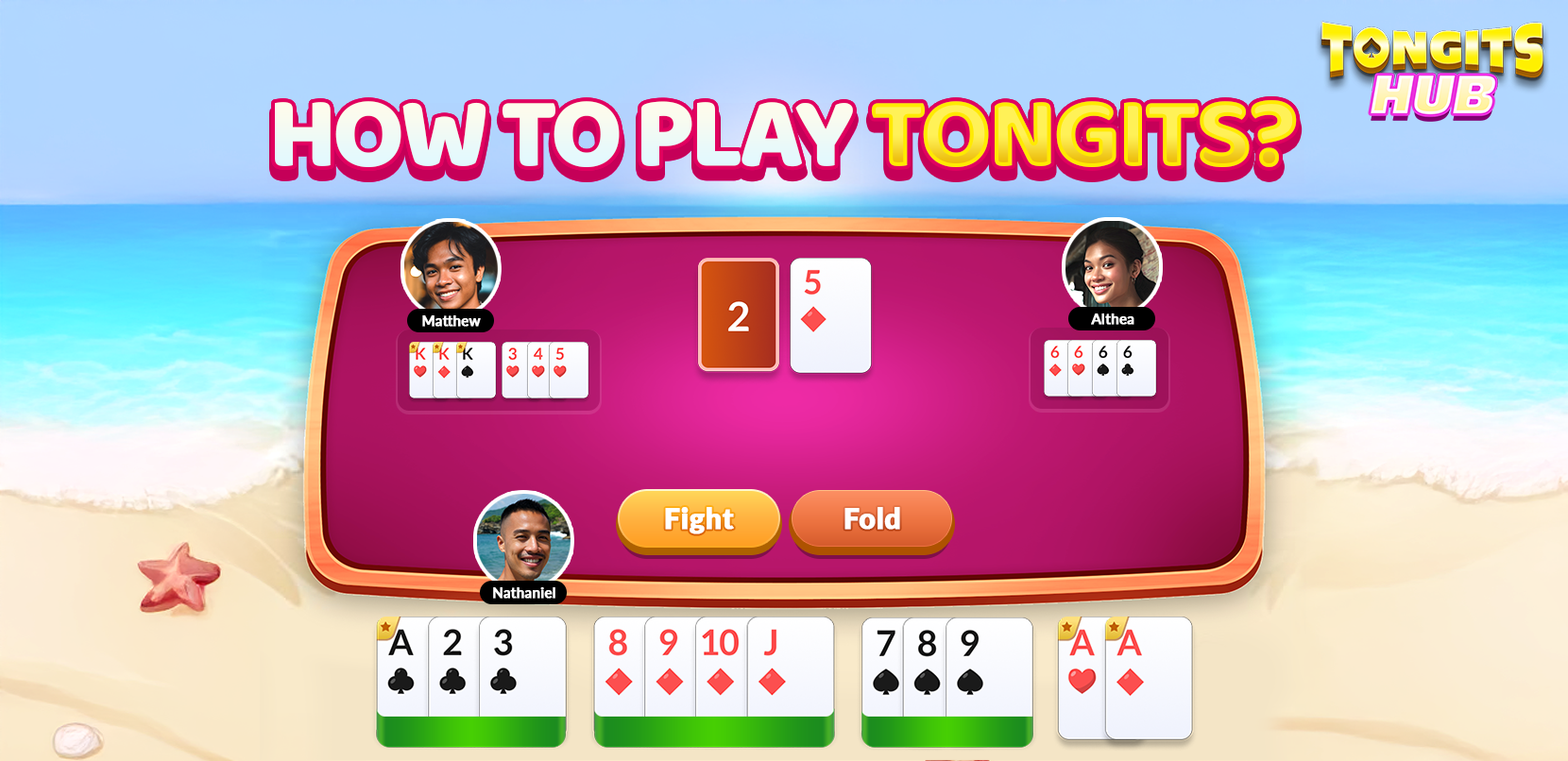
Your Turn Options:
- Draw: Take the top card from the deck or the discard pile
- Meld: Lay down valid sets or runs from your hand
- Sapaw: Add cards to existing melds on the table (yours or opponents')
- Discard: Place one card face-up on the discard pile
- Challenge (Burn): Call the hand if you believe you have the lowest total
Winning Conditions:
- Tongit: Empty your entire hand (automatic win, highest payout)
- Draw: Someone challenges and has the lowest hand value (they win)
- Burned: If you challenge but don't have the lowest hand, you lose and pay everyone
Special Rules:
- You can only draw from the discard pile if you immediately use that card in a meld or sapaw
- When the deck runs out, players must draw from the discard pile
- If someone goes Tongit while you haven't laid down any melds, you pay double
These Tongits rules create a fascinating strategic tension: do you hold cards to build better melds, or lay them down early to reduce your exposure if someone calls? Do you challenge when you think you're winning, or wait for an even better position?
The Art of Tongits Bluffing: Psychological and Behavioral Strategies
Now we're getting to the good stuff, the psychology that transforms decent Tongits players into dominant ones.
What is Tongits Bluffing?
Unlike poker where you're literally betting on hidden cards, Tongits bluffing is more subtle. It's about controlling the narrative of your hand through timing, body language (in physical games), and behavioral patterns. You're influencing opponents' perceptions about whether you're close to going out, whether you have low or high cards, and whether they should feel safe or threatened.
Reading Opponents: The Foundation of Bluffing
Before you can bluff effectively, you need to read what others are doing:
Physical tells to watch for:
- Hesitation before discarding (they're deciding between cards they need)
- Quick discards (they're confident that card doesn't help them or worried it helps you)
- Eye movement toward specific cards on the table (they're calculating sapaw possibilities)
- Tension in posture (they're holding high cards and worried about being burned)
- Relaxed confidence (they're likely close to Tongit or have low hand value)
Behavioral patterns:
- Conservative players who rarely sapaw until late (they're building big melds in hand)
- Aggressive players who lay down melds immediately (they're minimizing risk)
- Players who frequently check the discard pile (they're tracking specific cards)
Online tells in tongits card game online platforms:
- Response time patterns (quick plays vs. long thinks)
- Chat behavior (silent concentration vs. chatty distraction)
- Emoji usage (overconfident emojis might be compensating for weak hands)
Mastering Your Own Tells
Here's the key: you need to control what you're broadcasting while reading others.
In physical games:
- Maintain consistent discard speed regardless of card importance
- Control your facial expressions when you draw good/bad cards
- Don't stare at melds you're planning to sapaw
- Keep your emotional reactions neutral
In online games:
- Maintain consistent play speed (don't suddenly slow down when nervous)
- Use chat and emojis strategically, not reactively
- Don't change patterns when you're winning vs. losing
Strategic Bluffing Techniques
The False Security Bluff: Discard mid-value cards (6-9) early to make opponents think you have low hand value, when actually you're holding multiple high cards you're planning to meld soon. This discourages them from challenging.
The Pressure Bluff: Lay down melds aggressively early in the game, creating the impression you're racing toward Tongit. This pressures opponents into making hasty decisions about their own hands.
The Trap Bluff: Keep a card your opponent obviously needs (you see them collecting a sequence), then discard it at the perfect moment when they can't legally pick it up from the discard pile. This frustrates their strategy.
The Timing Bluff: Pause slightly before sapaw moves, even when you're certain. This creates the illusion you're constantly calculating and keeps opponents unsure of your hand strength.
Managing Tilt and Emotional Control
Here's a truth about Tongits bluffing that nobody talks about: you can't bluff effectively when you're emotionally compromised.
When you draw terrible cards three hands in a row, or when someone burns you with a lucky low hand, frustration clouds judgment. You start playing scared or recklessly, and experienced opponents smell it immediately.
Anti-tilt techniques:
- Take a deep breath between hands
- Remind yourself that variance evens out over time
- Focus on making correct decisions, not on results
- If you're genuinely tilted, take a break, seriously
The best bluffers are calm, collected, and consistent. They understand that one hand doesn't matter; what matters is executing sound strategy over dozens of games.
Core Tongits Strategies for Beginners and Advanced Players
Let's build your strategic foundation, from basic principles to advanced tactics.
Beginner Strategies: Building Your Foundation
Strategy #1: Lay Down Melds Early When you're starting out, reduce risk by putting melds on the table quickly. Yes, this gives opponents sapaw opportunities, but it drastically lowers your hand value if someone challenges. Better to score small wins consistently than risk big losses.
Strategy #2: Track High Cards Pay attention to which face cards and tens have been played. If you're holding several high cards and others have been discarded, you're at higher risk in a challenge situation. Try to meld or discard them early.
Strategy #3: Don't Hoard Cards Beginners often hold too many cards trying to build perfect melds. This is dangerous. If you have three cards that could meld, lay them down. Don't wait for the fourth card that might never come.
Strategy #4: Watch the Discard Pile Keep mental notes on what's been discarded. If your opponent discards a 7 of hearts early, they probably aren't building a hearts sequence. This information guides your own discards and sapaw decisions.
Advanced Strategies: Elevating Your Game
The Sapaw Mastery Approach Advanced players use sapaw aggressively as both offense and defense. Sapaw on opponents' melds to empty your hand faster, but also to block their ability to lay down new melds (since they're left with fewer cards that work together). Time your sapaws to maximize impact, sometimes holding a card one more turn gives you better options.
The Challenge Timing Science Knowing when to burn (challenge) is an art form. Advanced players calculate:
- Approximate hand values based on what's been played
- How many turns until deck depletion
- Opponents' behavioral patterns (do they challenge aggressively or conservatively?)
Good times to challenge:
- When you have 10 or fewer total points
- When you've seen multiple high cards discarded by opponents
- When an opponent seems nervous or uncertain
Bad times to challenge:
- When an opponent just laid down multiple melds (their hand value dropped)
- When you haven't tracked the game closely
- When you're emotionally compromised (you might be misjudging)
The Meld Concealment Strategy Sometimes holding melds in your hand is strategically superior to laying them down, even though it's riskier. Why? Because if you're planning to go Tongit, keeping melds hidden prevents opponents from sapaw-ing and potentially going out before you. This is high-risk, high-reward play for experienced players.
The Defensive Discard Pattern Pay attention to what opponents are collecting and avoid discarding cards that help them. If someone picks up a 4 of diamonds from the discard pile, don't discard 3 or 5 of diamonds, they're clearly building a sequence.
Digital vs. Physical Tongits: Key Differences and What to Expect
Playing Tongits card game online is fundamentally different from sitting at a physical table, and your strategy needs to adapt.
Physical Tongits Advantages:
- You can read body language and physical tells
- Social dynamics and conversation provide information
- The pace is controlled by players, allowing for psychological pressure
- You can use physical presence for intimidation or distraction
Digital Tongits Advantages:
- Faster gameplay means more hands per session (more opportunities to apply strategy)
- Automated scoring eliminates disputes
- Matchmaking finds opponents 24/7
- Lower stakes options for practice
- No need to physically shuffle and deal
Key Strategic Differences:
Pace Adjustment: Online games on platforms move much faster. You have less time to analyze opponents, so pattern recognition needs to be quicker. Focus on broad strategic principles rather than deep reads on individual players.
Bluffing Adaptation: Without physical tells, online Tongits bluffing relies entirely on timing and pattern disruption. Vary your play speed intentionally, use chat strategically, and pay attention to opponents' timing patterns rather than body language.
Anonymous Opponents: You won't face the same players repeatedly in most online games, so long-term reputation doesn't matter as much. This actually frees you to be more unpredictable, there's no "history" opponents can exploit.
Automated Rules: Online platforms enforce Tongits rules perfectly, eliminating ambiguity. This means you can't rely on social pressure or rule interpretation, everything is black and white.
Practice Recommendation: If you're serious about improving, play both formats. Physical games develop your psychological reading skills and social awareness. Online games let you get more repetitions quickly, testing strategies and building pattern recognition.
Scoring, Chip Management, and Maximizing Your Wins
Understanding the financial side of Tongits is crucial for long-term success, especially in games involving real money or serious competition.
Standard Scoring System:
Tongit (going out completely):
- Winners receive double payment from each opponent
- Payment based on each opponent's hand value
Draw (successful challenge):
- Winner receives payment from each opponent based on the difference in hand values
- If two players have equal low values, they split winnings
Burned (failed challenge):
- The challenger pays everyone, even if they don't have the highest hand
- Payment typically equals hand values of other players
Example Scenario: You have 8 points and challenge. Opponent A has 15 points, Opponent B has 12 points. You win and receive (15-8) + (12-8) = 7 + 4 = 11 units from the pot.
But if you challenge with 8 points and Opponent A has only 6 points, you've been burned. You pay Opponent A based on hand differences, plus potentially pay Opponent B as well.
Chip Management Strategy:
Conservative Approach (Recommended for Beginners):
- Play lower-stakes tables until you're consistently profitable
- Never risk more than 5% of your bankroll in a single game
- Focus on small, consistent wins rather than big scores
Aggressive Approach (For Experienced Players):
- Challenge more frequently when you have statistical advantages
- Play for Tongit rather than settling for safe draws
- Willing to accept higher variance for higher payouts
The Bankroll Rule: Whether playing online or in friendly games, never play at stakes where losing multiple hands in a row would stress you financially or emotionally. Stress kills good decision-making.
Maximizing Wins:
The biggest profits come from:
- Going Tongit (double payment)
- Winning challenges with large hand-value differences
- Consistent play that avoids big losses
Interestingly, players who go for Tongit less frequently but win challenges more consistently often profit more over time. Why? Because challenging requires less luck, you're playing probabilities based on visible information rather than hoping to draw perfect cards.
Common Tongits Mistakes to Avoid
Let's talk about the errors that cost players games, even when they know the Tongits rules perfectly.
Mistake #1: Holding High Cards Too Long Face cards and tens are tempting to keep because they form valuable melds, but they're also dangerous. If you're holding a King and Queen hoping for a Jack, and someone challenges, you're looking at 20 points right there. Unless you're certain the Jack is coming soon, it's often smarter to discard one high card early to reduce risk.
Mistake #2: Challenging Too Aggressively New players often challenge the moment they get below 15 points, thinking that's good enough. But unless you've carefully tracked what opponents have laid down and discarded, you're gambling. A failed challenge is expensive, wait for strong confidence or obvious signals.
Mistake #3: Predictable Sapaw Patterns If you always sapaw immediately when possible, opponents learn that melds on the table will quickly absorb cards, so they adjust their strategy accordingly. Sometimes holding a sapaw for a turn or two creates better opportunities or keeps opponents uncertain.
Mistake #4: Ignoring Opponents' Melds Pay attention to what opponents lay down. If someone puts down three 9s, you know there's no fourth 9 coming, which affects your own strategy. If someone lays down 4-5-6 of clubs, you might want to hold the 7 of clubs rather than discard it.
Mistake #5: Emotional Revenge Play Someone burned you last hand? Don't let vengeance cloud your judgment this hand. Play the cards you're dealt, not your emotions. Revenge playing is how consistent winners become inconsistent losers.
Mistake #6: Neglecting the Deck Count As the deck dwindles, game dynamics change. When there are only 10-15 cards left in the deck, challenging becomes more urgent because time is running out. Track roughly how many cards remain, it informs crucial timing decisions.
Real-Life Tongits Stories and Player Case Studies
Let me share a scenario that perfectly illustrates advanced Tongits bluffing in action.
The Setup: Three players, let's call them Marco, Lisa, and you. Marco is a conservative player who rarely challenges unless he's very confident. Lisa is aggressive, often going for Tongit rather than safe draws. You've been playing for about an hour, and everyone knows each other's styles.
The Hand: You're dealt a terrible hand, two Kings, a Queen, several mid-value cards, no obvious melds forming. Normally, this is a hand where you'd play ultra-defensively and hope someone else goes Tongit so you can minimize losses.
But you notice something: Marco just laid down three 7s very early. Lisa discarded an Ace. Both actions suggest they're trying to reduce hand values quickly, meaning they likely also have poor hands.
The Bluff: Instead of playing scared, you make aggressive discards, mid-value cards that don't particularly help anyone. You discard with confidence and speed, creating the impression you're building toward something strong.
On turn six, you finally form a small meld (three 5s) and lay it down with perhaps slightly more flourish than necessary. You don't have a great hand, you're still holding one King and several cards totaling about 18 points, but your behavior has told a different story.
The Result: Marco challenges on the next turn, confident his low hand will win. Lisa has 14 points, Marco has 12 points, and you have 18 points. Marco wins the hand, but here's the key: because your bluffing made Lisa play more conservatively (she held back from challenging when she normally would have), and because Marco challenged a turn earlier than he might have if you'd shown weakness, the outcome was less damaging for you than it could have been.
The Lesson: Sometimes Tongits bluffing isn't about winning the current hand, it's about influencing opponents' decisions to minimize your losses or set up better situations for future hands. The player who controls the psychological flow controls the game.
Ready to Dominate Your Next Game?
Now it's your turn to put these Tongits bluffing strategies into action. Start with the fundamentals, lay down melds to reduce risk, track high cards, and pay attention to opponents' patterns. As you get comfortable, layer in the advanced techniques, strategic sapaw timing, calculated challenges, and psychological pressure.
Your action steps:
-
If you're new: Play 10 practice games focusing solely on executing basic strategy correctly. Don't worry about winning yet; worry about making fundamentally sound decisions.
-
If you're intermediate: Identify one weakness in your game (maybe you challenge too early, or you're too conservative with sapaw) and focus on improving it for your next 20 games.
-
If you're advanced: Study top players' games, analyze specific scenarios in depth, and experiment with counter-intuitive strategies to find edges others miss.
Now stop reading and start playing, those opponents won't outbluff themselves!