Tongits Offline Strategy: Can You Still Improve Without Real Players
.jpg)
Developing an offline Tongits strategy is a great way to improve your game — up to a point. AI opponents in offline apps can teach you the fundamentals faster than trial and error against human players, because you can play more rounds, take more time on each decision, and experiment with different tactics without social pressure. The limitation is that AI does not bluff, does not tilt, and does not use the full range of psychological moves that make real Tongits complex. This guide covers what offline strategy can teach you and exactly how to build good habits through AI practice.
What AI Practice Actually Teaches
The best Tongits offline strategy sessions focus on the decisions you make on every single turn — not just the exciting moments. Those decisions include:
- Which card to draw
- Whether to meld immediately
- Whether to Sapaw and onto whose meld
- Which card to discard
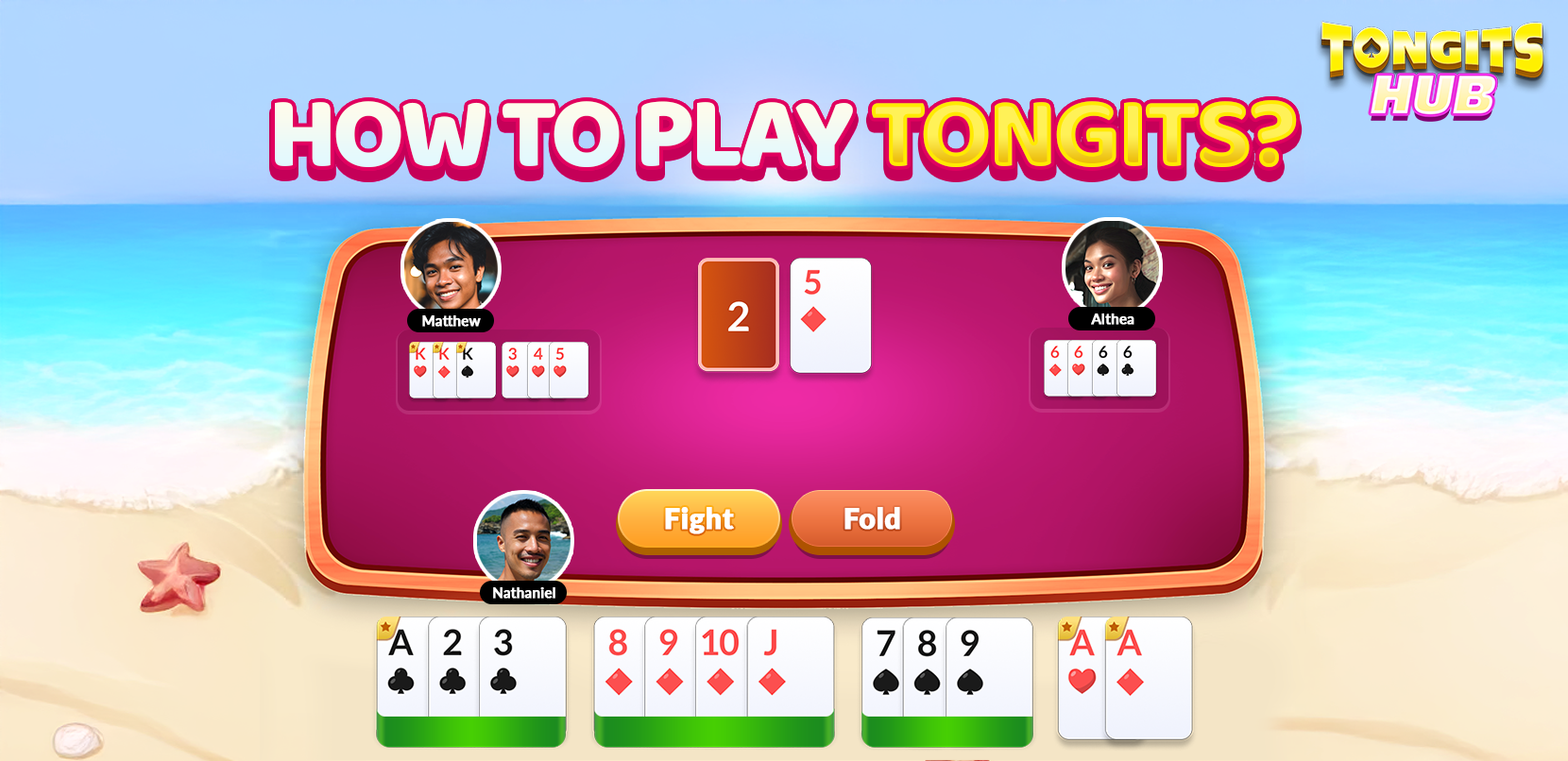
- When to call Fight
Each of these choices has a right and wrong answer in most situations, and AI play gives you thousands of repetitions of these choices in a low-pressure environment.
Against AI, you can pause before each decision and think it through properly. In online play, a 15-second timer makes deliberate thinking difficult early in your learning curve. This is why practising Tongits in offline mode is so effective at building the automatic pattern recognition that makes good players look fast — they have made those decisions enough times offline that the right move comes quickly in a live situation.
Core Strategies to Develop Offline
These are the specific strategic habits that offline practice builds most effectively.
Meld Management: Speed vs Concealment
One dimension of a strong Tongits offline strategy that beginners miss is the choice between melding early (to reduce your score quickly) and melding late (to conceal your hand strength). If you meld everything immediately, opponents know how close you are to calling Tongits. If you hold melds longer, your hand looks weaker and opponents may call Fight prematurely.
Practice this offline by deliberately trying each approach across separate sessions. In one session, meld immediately every time you can. In another, hold melds until you are close to winning. Track which style produces better results against the AI at your difficulty level, and adjust from there.
Discard Reading
The discard pile is public information. Everything in it tells you what cards are out of play. If you can see three Jacks in the discard pile, no opponent is holding a Jack set — which means you can safely discard your own Jack. AI opponents follow logical discard patterns, which makes the offline setting excellent for learning to read the discard pile systematically before facing less-predictable human discard patterns online.
Fight Timing
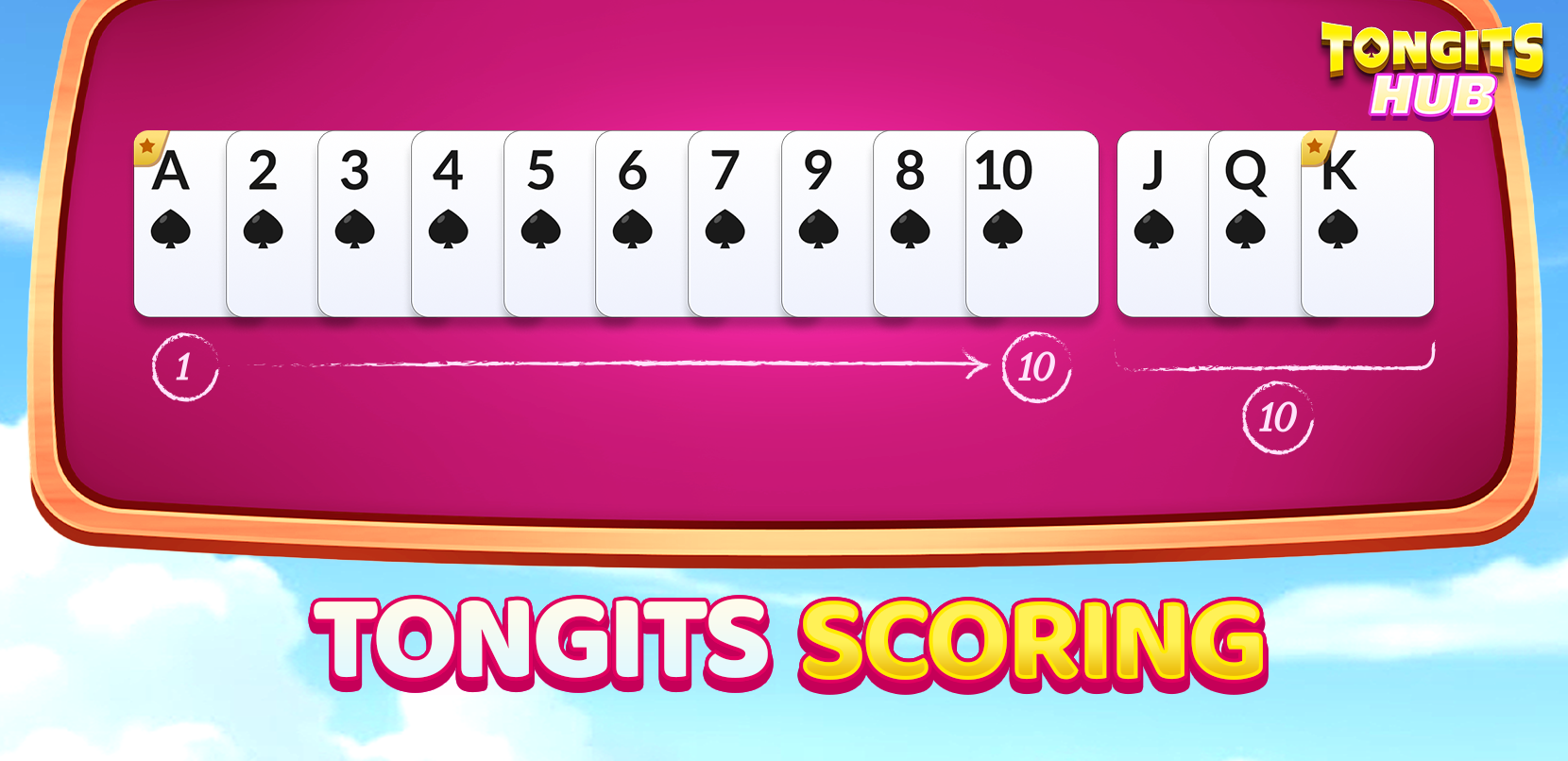
Calling Fight at the wrong time is the most common cause of losing rounds. The Tongits AI strategy used by even basic bots is to hold Fight until their unmelded score is below 10 or 15 points. Replicate this in your own practice: never call Fight unless your unmelded total is under 10. Over time, this discipline becomes automatic and carries directly into online games.
Sapaw Timing as a Defensive Move
One advanced use of Sapaw in your Tongits offline strategy is defensive — adding a card onto an opponent's meld specifically to block them from calling Fight on their next turn. In the rules, a player who has been Sapawed cannot call Fight on their immediate next turn. If you see signs that an AI opponent is close to calling (their hand count is very low, they have multiple melds exposed), Sapawing onto one of their melds buys you another full turn to improve your own hand.
How to Structure Your Practice Sessions
The most effective way to practise Tongits offline is to set a specific focus for each session rather than just playing to win. Session focuses that work well include:
- Pure discard reading: Watch every card discarded and note what melds it eliminates from possibility.
- Sapaw timing: Try to use Sapaw defensively at least once per game.
- Fight discipline: Never call Fight with more than 12 unmelded points.
After 20 to 30 sessions with deliberate focus, these habits become ingrained. Players who practise this way typically find that when they first move to online play, their decision speed and accuracy are significantly better than players who learned online from the start.
The Limits of AI Practice
AI opponents in most Tongits offline apps use a fixed decision tree. Once you have played enough rounds, you will recognise predictable patterns — certain bots will almost always Sapaw on a specific turn count, or will call Fight as soon as they reach a target score. This predictability stops being useful at some point.
When you find yourself winning eight or nine out of ten games at the highest AI difficulty, your Tongits offline strategy work has done most of what it can do. The next growth phase requires real human opponents.
Frequently Asked Questions
Can practising Tongits offline actually improve your online game? Yes — for the mechanical fundamentals. Decision patterns around melding, discarding, Sapaw, and Fight timing all translate directly. What offline practice cannot prepare you for is human psychology and bluffing, which only real opponents can teach.
What is the best Tongits AI strategy to beat the highest difficulty bot? Focus on fast meld formation in the first four turns, watch the discard pile for dead cards, and never call Fight above 10 points. Most high-difficulty bots can be beaten consistently with these three habits alone.
How many offline games should I play before trying online? A reasonable benchmark is: when you can win six out of ten games at the Normal difficulty setting without making obvious errors, you are ready to try online. Expect to lose more at first and treat early online games as extended practice.
Does the AI cheat in offline Tongits apps? Some players suspect the AI sees their cards or is programmed to block them specifically. Most credible apps use a legitimate AI that plays from visible information only. If a specific AI consistently seems to have perfect card knowledge, that is usually a sign of a poorly designed bot rather than actual cheating.