Lucky 9 Card Game Rules Explained (Philippines Guide)

If you grew up around family gatherings, barkada game nights, or neighborhood card tables, chances are you’ve heard someone mention lucky 9 card game at least once. It’s quick, easy to follow once you know the flow, and popular precisely because a round doesn’t take long to settle.
This guide is a clean, rules-only explanation of lucky 9 rules Philippines, focused strictly on how the game works from start to finish. No strategy, no tips, and no “how to win” advice. Just the gameplay flow and outcomes, explained in a way you can reference during an actual game.
We’ll cover the full round structure: card values, how to calculate totals, the banker role, the betting flow (rules only), the dealing sequence, how winners are decided, basic payout rules, and the common house-rule variations you may encounter in the lucky 9 card game.
What Is the Lucky 9 Card Game?
Basic Overview
The lucky 9 card game is played between a banker and one or more players. Each round, players are essentially playing against the banker’s hand, not against each other. The objective is straightforward: get a hand total closest to 9.
The game uses a standard 52-card deck. Hands are typically made from two cards, and sometimes a third card is drawn depending on the table’s rules. The key is that in the lucky 9 card game, the only thing that matters is the final hand value based on the game’s point system, not suits, not poker hands, and not combinations.
If you’re reading this because you searched lucky 9 rules Philippines, this banker-vs-player format is the first thing to lock in. The round is structured so the banker compares their hand separately with each player’s hand.
How Lucky 9 Is Played
A round in the lucky 9 card game is independent. That means what happened last round doesn’t affect the next round’s rules. There’s no carryover, no cumulative hand building, and no rearranging cards after the deal.
Once the cards are dealt, players don’t “play” additional actions like choosing which card to discard or selecting a hand. The core flow is: bets are placed (as a rule step), cards are dealt, totals are computed, and outcomes are decided against the banker.
This is why many people looking up how to play lucky 9 call it simple: most of the structure is in the dealing and comparison, not in decision-making after the deal. It’s a quick format, and that’s a big part of why lucky 9 rules Philippines remain popular in casual settings.
Card Values in Lucky 9
This is the section that makes the rest of the lucky 9 rules feel obvious. Once you know card values and how totals “wrap,” you can follow the entire game smoothly.
Number Cards
In lucky 9 card game, number cards are simple:
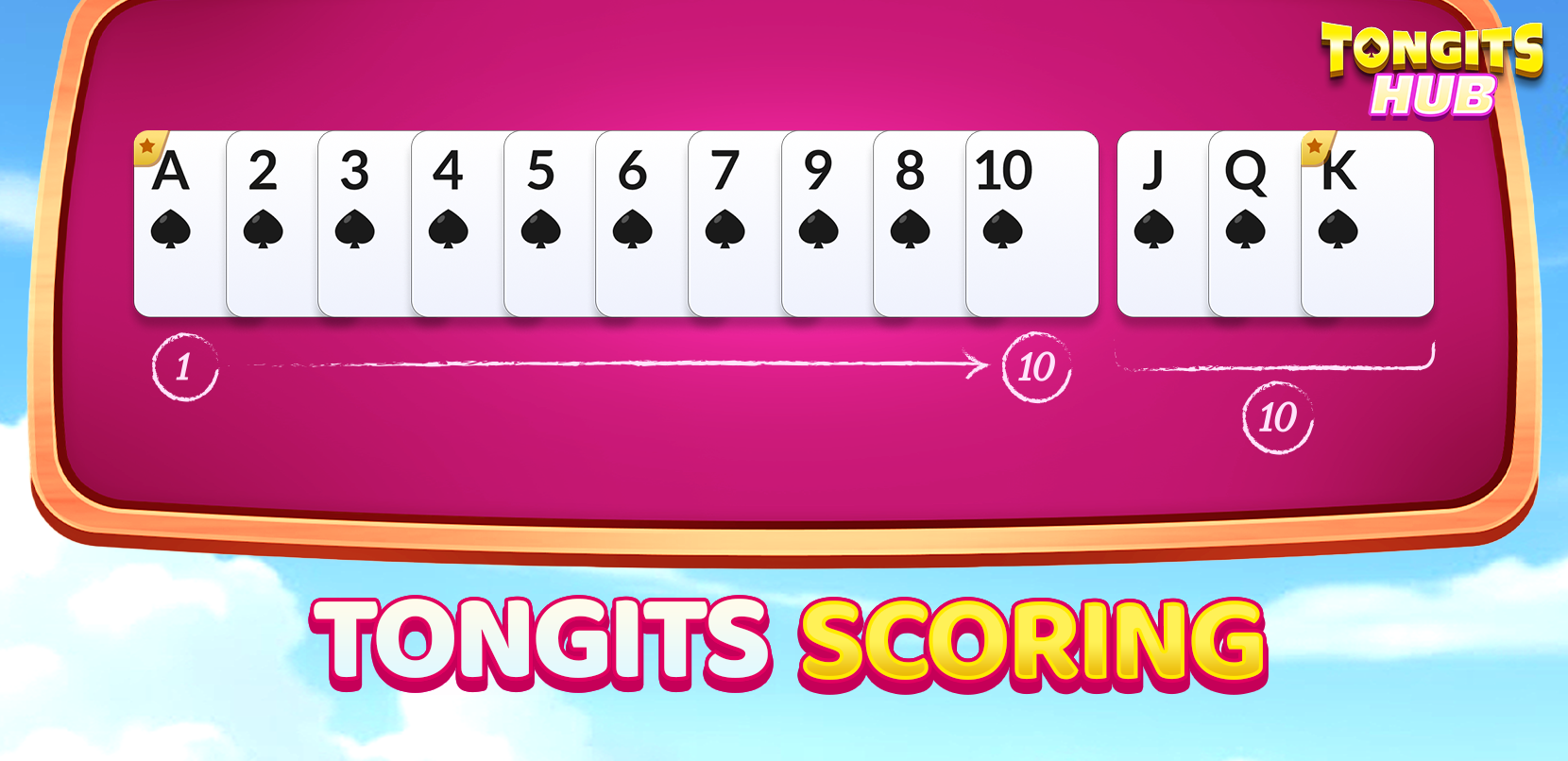
- Ace = 1
- 2 to 9 = face value (2 is 2, 9 is 9)
That’s it for number cards. No alternate Ace-high or Ace-low rules. In lucky nine card game, Ace is consistently valued as 1.
Face Cards
Face cards have a special role in lucky 9 rules Philippines:
- 10, Jack, Queen, King = 0 value
This is one of the biggest beginner confusion points in how to play lucky 9. New players often assume a 10 is worth 10. In lucky 9 rules, it is worth zero.
Calculating Hand Total
The hand value is calculated by adding card values and taking only the last digit of the total.
That sounds technical, but it’s easy in practice. If the sum goes over 9, it “wraps around.”
Examples (rules examples only):
- 7 + 5 = 12 → hand value = 2
- 8 + 8 = 16 → hand value = 6
- 9 + King (0) = 9 → hand value = 9
- Ace (1) + Queen (0) = 1 → hand value = 1
A clean way to remember it: in the lucky 9 card game, you only care about the ones place.
The highest possible hand value in Lucky 9 is 9.
That statement is the heart of lucky 9 rules Philippines scoring logic. You can’t get “10 points.” If your total hits 10, your value becomes 0 because only the last digit counts.
Card Value Table (Quick Reference)
| Card | Value in lucky 9 rules |
|---|---|
| Ace | 1 |
| 2–9 | Face value |
| 10 | 0 |
| Jack | 0 |
| Queen | 0 |
| King | 0 |
If you’re learning how to play lucky 9, keep this table in mind and the rest of the round becomes much easier to track.
Number of Players and the Role of the Banker
The second core idea in lucky 9 rules Philippines is the banker structure. If you don’t understand the banker role, the round outcomes can feel confusing.
Who Is the Banker?
In the lucky 9 card game, one participant is the banker. Everyone else is a player for that round. The banker is not “just another player.” The banker is the reference point, every player’s hand is compared only against the banker’s hand.
So if there are four participants total, the comparisons are typically:
- Player A vs Banker
- Player B vs Banker
- Player C vs Banker
Players do not directly compare their hands to each other in the basic lucky 9 rules format. This is why lucky nine card game often feels similar in structure to other banker-style games: one hand stands as the “house” hand for comparison.
How the Banker Is Chosen
Different groups using lucky 9 rules Philippines choose the banker in different ways. Common methods include:
- Rotation (taking turns each round or each set of rounds)
- Highest-card draw (draw one card; highest becomes banker)
- Agreed house rule (someone volunteers or is selected)
Because the banker role affects how comparisons are done, it’s normal for the table to confirm how banker selection works before starting. That’s still part of rules clarity, not strategy.
Banker’s Responsibility
In lucky 9 card game, the banker:
- “Covers” the total amount placed by players (in rules terms, the banker accepts that the round is valid against those wagers)
- Receives cards like everyone else
- Compares their final hand individually against each player’s final hand
- Pays or collects based on each comparison outcome
This is why lucky 9 rules Philippines discussions often emphasize banker logic. The banker is the center of the round’s outcomes.
Betting Flow in Lucky 9
This section describes the flow only. It does not recommend amounts, behavior, or “best practices.” The point is simply to explain where this step happens in the lucky 9 card game round.
Placing Bets
Under typical lucky 9 rules, players place their bets before any cards are dealt. These bets are placed against the banker for that round.
This sequencing matters: once dealing begins, the round is already in motion. In a normal lucky 9 rules Philippines setup, bets exist so there’s a clear basis for win/lose outcomes for that round.
Banker Acceptance
After bets are placed, the banker confirms that the total bets can be covered. Once accepted, the round proceeds to dealing.
This step is part of the standard flow for the lucky 9 card game because the banker is effectively agreeing to play against each player’s bet.
No Mid-Round Changes
Once dealing starts, bets cannot be changed. That’s a common baseline rule for how to play lucky 9 cleanly and avoid confusion mid-round.
This keeps the round simple: the only things that change after dealing begins are the cards and the outcomes, never the terms of the round.
Dealing and Gameplay Flow (Step-by-Step)
This is the “start to finish” round flow that many lucky 9 rules Philippines pages fail to explain clearly. If you understand this sequence, you can follow the game even if you’ve never played before.
Step 1 – Initial Deal
The banker (or assigned dealer) deals two cards:
- Two cards to each player
- Two cards to the banker
In the lucky 9 card game, the initial deal is typically uniform: everyone starts with two cards. At this point, hand values are computed using the card value rules from earlier.
Step 2 – Check for Natural 9
After the initial two-card deal, the table checks if any hand totals 9.
If a hand totals 9 right away, it’s commonly treated as a final hand for that round, meaning no additional card is drawn for that hand. This is often called a “natural 9” concept in casual table language.
Because house rules vary, the consistent point for lucky 9 rules clarity is: many tables treat a 9 as the strongest final value, so if you already have it, there’s no need to draw further.
This aligns with the basic logic of how to play lucky 9: the highest possible hand value is 9, so reaching it early is already the maximum.
Step 3 – Optional Third Card
If no natural 9 occurs (or depending on the table rules), a third card may be drawn.
Here’s the important part for a rules-only guide: third card rules vary by house in many lucky 9 rules Philippines settings. Some groups draw automatically for everyone under a certain total. Other groups allow an agreed procedure based on the table’s established rules.
To keep this guide neutral and clean:
- Some tables use automatic third-card rules (e.g., if a two-card total falls within a defined range)
- Some tables apply third-card rules only to the banker
- Some tables apply third-card rules to both banker and players based on predefined conditions
Regardless of the exact third-card conditions, the core structure of the lucky nine card game remains the same: once the final hand is set (two cards or three cards), the total is calculated using the “last digit only” method, and comparisons happen against the banker.
Round Flow Checklist (Scannable)
- Players place bets against the banker
- Banker accepts the round
- Two cards are dealt to each player and the banker
- Hand totals are calculated
- Check for natural 9 (if used)
- Apply third-card rule (if used by the table)
- Compare each player’s final total to the banker’s total
- Resolve outcomes (win / lose / tie) and settle payouts
If you’re learning how to play lucky 9, reading the checklist once before a round is usually enough to follow along confidently.
Winning Outcomes in Lucky 9
Once all final totals are set, the outcomes are simple in concept: each player compares their hand only against the banker.
Comparing Hands
In the lucky 9 card game, each player’s hand is compared only to the banker’s hand, one at a time.
The higher hand value wins. A 9 beats an 8. An 8 beats a 7. And so on.
Because totals wrap (only last digit counts), a hand value of 0 is the lowest possible value. That’s another key point in lucky 9 rules Philippines: a total of 10 becomes 0, which can lose to almost anything.
Possible Results
For each player vs banker comparison, only three results exist:
- Player wins
- Banker wins
- Tie (push)
That simplicity is a big part of why lucky nine card game is easy to run as a quick game: every comparison ends in one of those three outcomes.
Tie Outcomes
If the player and banker have the same hand value, it’s typically a tie (often called a “push”). In a tie:
- The player’s bet is returned
- No winner is declared for that comparison
This tie behavior is part of the standard lucky 9 rules flow and helps keep outcomes clean and easy to track.
Payout Basics (Rules Only)
This section explains the basic settlement structure without discussing strategy, betting systems, or any “edge.”
Standard Winning Payout
In common table rules, a win is paid at 1:1.
That means:
- If the player wins against the banker, the banker pays an equal amount to the player’s bet.
- If the banker wins, the banker collects the player’s bet.
- If it’s a tie, the bet returns to the player.
This is the usual baseline for lucky 9 rules Philippines settlement. If your table uses a different payout ratio, that belongs under house rules, but the most common reference-friendly rule is 1:1.
Banker Advantage
The banker position may rotate, and rules around banker selection can differ by group. Some tables treat the banker role as a responsibility because the banker must cover all player bets in that round’s comparisons.
This guide does not cover side bets, odds discussion, or anything beyond the core payout basics of the lucky 9 card game.
Common House Rules You May Encounter
This section exists because lucky 9 rules Philippines can vary from group to group. The goal here is not to overwhelm you, just to prepare you for the kinds of differences you may hear, while keeping the core rules intact.
Third Card Rules
The most common area of variation in lucky 9 rules is the third card.
Some groups:
- Allow automatic draws based on a fixed rule
- Allow third cards only under certain totals
- Apply third-card rules differently for banker vs players
The important constant is that the table should agree on the third-card procedure before the round starts, because it affects how final totals are reached in the lucky nine card game.
Banker Rotation Rules
Another variation is how the banker changes:
- Fixed banker per round
- Fixed banker for a set number of rounds
- Rotation after each round
- Rotation based on a trigger (house rule)
These don’t change the core of how to play lucky 9, but they change who holds the banker role and compares against others.
Confirm Rules Before Playing
Because third-card rules and banker rotation can vary, it’s normal to confirm:
- How the banker is chosen
- When the banker rotates
- Whether a third card is used, and under what conditions
- What constitutes a tie and how it is settled (usually a push)
That simple confirmation step prevents the most common disputes in casual lucky 9 card game play.
Common Beginner Confusions in Lucky 9
Even though the lucky 9 card game is simple, beginners often get tripped up by a few specific misunderstandings.
Misunderstanding Card Values
The biggest confusion point in lucky 9 rules Philippines is face cards.
- 10, J, Q, K = 0
If someone forgets this and counts a 10 as 10, they’ll misunderstand every comparison in the round. That’s why most “how to play lucky 9” explanations repeat it: face cards are zero in the lucky nine card game.
Forgetting Only the Last Digit Counts
The second common mistake is forgetting totals wrap.
- 7 + 5 = 12 → value is 2
- 8 + 8 = 16 → value is 6
This “last digit” rule explains why a hand can look “big” but score low, and why a hand with a face card (0) can still be strong if paired with a 9.
If you want a single phrase to remember the scoring in lucky 9 rules: only the ones place matters.
Confusing Lucky 9 With Other Card Games
Some players confuse lucky 9 card game with games that use hand rankings, suits, or combinations.
In Lucky 9:
- There are no poker-style hand rankings
- Suits do not create special combinations
- There is no “flush” or “straight” scoring
- You are not building a best five-card hand
The lucky nine card game is purely about point totals and comparison against the banker, which is why it’s so fast to run.
FAQs About Lucky 9 Card Game Rules
What is the highest hand in Lucky 9?
The highest possible hand value in the lucky 9 card game is 9. Because only the last digit of the total counts, you can’t score higher than 9. A two-card total of 9 (like 9 + King) is often treated as final under many lucky 9 rules Philippines house setups.
Are face cards worth anything in Lucky 9?
In lucky 9 rules, face cards and 10s are worth 0. That includes 10, Jack, Queen, and King. They still matter because they contribute to totals (as zero), but they don’t add points. This is a key rule to remember when learning how to play lucky 9.
How many cards are dealt in Lucky 9?
Typically, two cards are dealt to each player and the banker at the start of a round in the lucky 9 card game. Some lucky 9 rules Philippines house rules may allow a third card based on predefined conditions, but the initial deal is usually two cards for everyone.
What happens in a tie?
A tie happens when a player and the banker have the same hand value. In most lucky nine card game tables, a tie is a “push,” meaning the bet is returned to the player. No one wins that comparison. This tie rule is a common part of lucky 9 rules.
Is Lucky 9 the same as Baccarat?
They’re similar in concept because both use point totals and a banker-vs-player structure, but they are not automatically “the same game.” The dealing procedures and third-card rules can differ. If you’re following lucky 9 rules Philippines, always use the table’s Lucky 9 flow and agreed house rules rather than assuming baccarat procedures.
Conclusion: Lucky 9 Is Simple and Straightforward
The reason the lucky 9 card game stays popular is that it’s fast and easy to follow once the flow is clear. Everything comes down to card values, basic totals, and banker comparisons, nothing more.
Here’s the whole game, cleanly summarized under lucky 9 rules Philippines:
- Card values decide everything (A=1, 2–9 face value, 10/J/Q/K=0)
- Only the last digit of the total counts (wrap-around totals)
- The banker plays against each player, one comparison at a time
- The hand closest to 9 wins each comparison
- Ties are usually a push (bet returned), and payouts are commonly settled 1:1
Once you understand the card values and the round flow, how to play lucky 9 becomes almost automatic, quick to run, easy to reference, and simple to explain to someone new at the table.